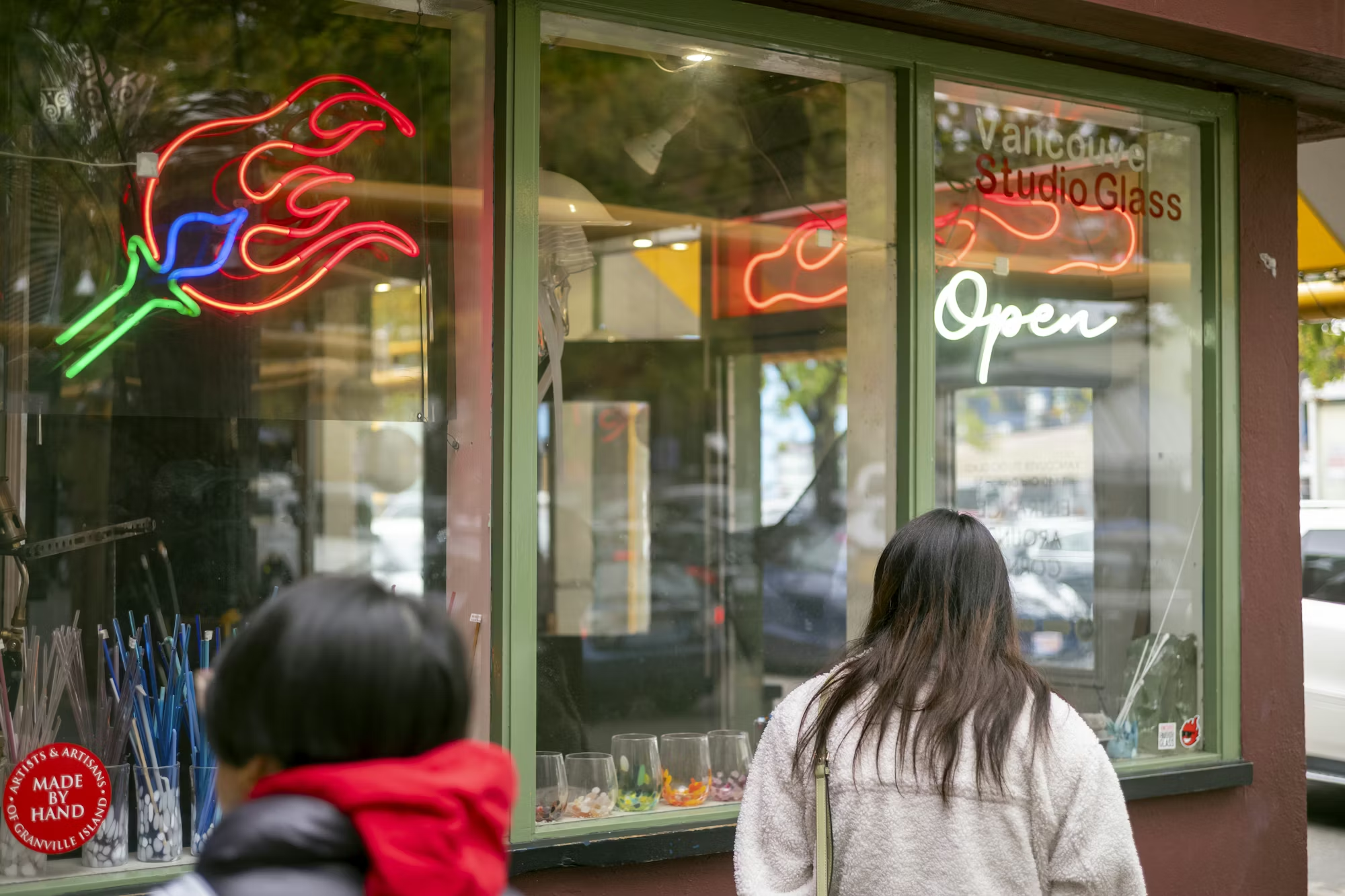
Local Markets: The Heartbeat of Community Commerce

Local markets have long been a cornerstone of community life, offering not only a place to shop but also a vibrant gathering space for residents. These markets, which can range from bustling farmer’s markets to artisanal fairs, play an essential role in promoting local economies, nurturing social connections, and providing consumers with fresh, high-quality products. As we delve into the significance of local markets, it becomes clear that they are much more than just venues for commerce; they are vital components of community identity.

One of the primary advantages of local markets is their ability to connect consumers directly with producers. Farmers, artisans, and small business owners have the opportunity to sell their goods to the public, fostering relationships built on trust and transparency. Shoppers can engage with vendors, learn about their products, and often gain insights into the production process. This direct connection not only enhances the shopping experience but also supports local economies by keeping money within the community.

In contrast to large grocery chains, which often prioritize mass production and efficiency, local markets emphasize quality and uniqueness. Many vendors focus on organic and sustainably sourced products, appealing to health-conscious consumers who prioritize fresh, nutritious food. The diversity of offerings at local markets also reflects regional flavors and traditions, providing an authentic taste of the community’s culture.

Moreover, local markets often serve as incubators for small businesses. Many entrepreneurs start their journey at markets, testing their products and gaining invaluable feedback from customers. This grassroots approach fosters innovation and creativity, as vendors can experiment with new ideas and adapt their offerings based on consumer preferences. Over time, successful vendors may transition to permanent retail spaces, contributing further to the local economy and enhancing the community’s commercial landscape.

The social aspect of local markets cannot be overstated. These venues often become gathering places where people come together to socialize, share experiences, and build relationships. Events like live music, cooking demonstrations, and seasonal festivals add to the lively atmosphere, making local markets enjoyable destinations for families and friends. This sense of community fosters connections that extend beyond commerce, enhancing the overall quality of life for residents.

Additionally, local markets promote sustainability by encouraging consumers to support local businesses and reduce their carbon footprint. By purchasing products that are grown or made nearby, shoppers help minimize the environmental impact associated with long-distance transportation. This commitment to sustainability resonates with many consumers who are increasingly concerned about environmental issues and seek to make conscious purchasing decisions.

Another trend within local markets is the increasing focus on inclusivity and accessibility. Many markets are actively working to ensure that all community members can participate, whether through affordable pricing, diverse vendor representation, or accessible locations. Some markets offer programs that support underrepresented groups, providing them with opportunities to showcase their products and gain exposure. This commitment to inclusivity strengthens the community fabric and ensures that everyone can benefit from the vibrant marketplace.

As technology continues to evolve, local markets are also adapting to new consumer behaviors. The rise of social media has enabled vendors to promote their offerings and connect with customers in innovative ways. Many local markets maintain active online presences, sharing updates about vendors, events, and special promotions. This digital engagement not only enhances visibility but also encourages younger generations to participate in the local market scene, ensuring its sustainability for years to come.

Despite the challenges posed by larger retail chains and changing shopping habits, local markets remain resilient. Their ability to adapt to consumer preferences and maintain a strong community focus positions them well in the evolving landscape of retail. The emphasis on quality, sustainability, and community connection is a compelling proposition for consumers seeking authentic experiences and meaningful purchases.

In conclusion, local markets are much more than shopping destinations; they are vital components of community life that foster economic growth, social connection, and sustainability. By supporting local vendors and participating in these vibrant marketplaces, consumers contribute to the overall health of their communities while enjoying unique products and experiences. As we continue to navigate an ever-changing retail environment, the significance of local markets will only grow, highlighting the importance of community in commerce.


Exploring the World of Home Gardening: Tips, Trends, and Benefits

In recent years, home gardening has surged in popularity, driven by a desire for sustainability, self-sufficiency, and a deeper connection to nature. With more people spending time at home, many have discovered the joys of cultivating their own plants, whether for food, beauty, or relaxation. This article explores the various aspects of home gardening, offering practical tips for newcomers, discussing the benefits of this rewarding hobby, and examining current trends that are shaping the gardening landscape.

1. The Rise of Home Gardening

The COVID-19 pandemic played a significant role in popularizing home gardening as people sought ways to engage with nature while confined to their homes. As grocery store shelves were intermittently bare and food security became a concern, many turned to gardening as a solution. This shift has not only encouraged people to grow their own vegetables and herbs but has also sparked a renewed appreciation for the environment and the food we consume.

1.1 Accessibility and Community Support

With the rise of social media and online resources, gardening has become more accessible than ever. Numerous platforms, forums, and websites provide valuable information, tutorials, and community support for aspiring gardeners. From Instagram accounts dedicated to plant care to YouTube channels showcasing gardening techniques, these resources make it easier for individuals to learn about and share their gardening experiences. Local gardening clubs and community gardens have also flourished, providing spaces for enthusiasts to connect, share knowledge, and grow together.

2. Getting Started with Home Gardening

For those new to gardening, getting started can feel overwhelming. However, with a few essential tips and the right mindset, anyone can cultivate a thriving garden.

2.1 Choosing the Right Space

Before diving into gardening, it’s crucial to assess the available space. Whether it’s a backyard, balcony, or windowsill, understanding the environment is key. Consider factors like sunlight, soil quality, and access to water. If space is limited, container gardening is an excellent option, allowing individuals to grow plants in pots, maximizing even the smallest areas. Herbs, tomatoes, and peppers are particularly well-suited for container gardening.

2.2 Selecting Suitable Plants

When choosing plants, it’s essential to consider climate, space, and personal preferences. Beginners might start with easy-to-grow varieties such as lettuce, radishes, or herbs like basil and mint. These plants typically require less maintenance and provide quick rewards, which can be motivating for novice gardeners. Researching local plant hardiness zones can also help determine which plants are best suited for specific regions.

2.3 Understanding Basic Gardening Techniques

Learning basic gardening techniques can greatly enhance the gardening experience. Understanding soil composition, watering schedules, and pest management is crucial for healthy plant growth. Composting, for instance, is an excellent way to enrich the soil while reducing waste. Techniques such as companion planting can also be beneficial, as certain plants can help deter pests or enhance each other’s growth when planted together.

3. The Benefits of Home Gardening

Gardening offers a wealth of benefits, both for individuals and the environment. From physical health to mental well-being, the positive impacts of gardening are numerous.

3.1 Physical Health Benefits

Engaging in gardening activities can improve physical health by promoting exercise and encouraging outdoor activity. Gardening involves various physical tasks such as digging, planting, weeding, and harvesting, which can contribute to overall fitness. Additionally, growing your own fruits and vegetables provides access to fresh, nutritious produce, promoting a healthier diet.

3.2 Mental Well-Being

The mental health benefits of gardening are well-documented. Spending time in nature has been shown to reduce stress, improve mood, and enhance overall well-being. The act of nurturing plants can foster a sense of accomplishment and purpose, while the rhythmic, repetitive motions involved in gardening can be meditative. Many gardeners report a deep sense of satisfaction from watching their plants grow and thrive.

3.3 Environmental Impact

Home gardening also contributes positively to the environment. Growing your own food reduces reliance on commercially produced items, which often involve significant carbon footprints. Additionally, home gardens can support local ecosystems by providing habitats for pollinators like bees and butterflies. By practicing sustainable gardening techniques, such as organic pest control and composting, individuals can further minimize their environmental impact.

4. Current Trends in Home Gardening

As home gardening continues to evolve, several trends are shaping how people approach this rewarding hobby.

4.1 Vertical Gardening

With urban living often resulting in limited space, vertical gardening has become increasingly popular. This technique involves growing plants upward, utilizing walls, fences, or specially designed vertical planters. Vertical gardens can maximize space while adding a decorative element to outdoor areas. This trend not only allows for creative design but also makes it possible to grow a variety of plants in confined spaces.

4.2 Edible Landscaping

Edible landscaping combines aesthetics with functionality, encouraging homeowners to incorporate food-producing plants into their ornamental gardens. This trend promotes the idea that gardens can be beautiful and productive at the same time. By selecting flowering plants that are also edible, such as nasturtiums or fruit-bearing shrubs, gardeners can create visually appealing spaces that provide fresh produce.

4.3 Hydroponics and Aquaponics

Hydroponics and aquaponics are innovative gardening methods gaining traction among home gardeners. Hydroponics involves growing plants without soil, using nutrient-rich water instead, while aquaponics combines fish farming with plant cultivation in a symbiotic environment. These techniques are particularly appealing for those with limited outdoor space and can be implemented indoors or on patios, making fresh produce accessible year-round.

5. Conclusion

Home gardening is more than just a hobby; it is a rewarding practice that connects individuals with nature, promotes healthy living, and contributes to environmental sustainability. As more people embrace the joys of growing their own plants, the gardening community continues to expand, fostering creativity and innovation.

For those considering embarking on their gardening journey, the rewards are plentiful. With a little patience and dedication, anyone can cultivate a thriving garden that not only beautifies their living space but also nourishes their body and soul. As we look to the future, the continued rise of home gardening promises to create a greener, healthier world for generations to come.

Navigating the Future of Retail: Trends Shaping the Shopping Experience

The retail landscape is continuously evolving, influenced by technological advancements, changing consumer preferences, and a growing emphasis on sustainability. As we look to the future of retail, several key trends are emerging that promise to redefine the shopping experience. This article explores these trends and their implications for both consumers and retailers, providing insights into how the industry is adapting to meet the demands of a new era.

One of the most significant trends shaping the future of retail is the rapid integration of technology into the shopping experience. With the rise of e-commerce, consumers have become accustomed to the convenience of online shopping. However, traditional brick-and-mortar stores are not being left behind; instead, they are adopting innovative technologies to enhance in-store experiences. Augmented reality (AR) and virtual reality (VR) are becoming increasingly popular, allowing customers to visualize products in real-time. For example, furniture retailers are utilizing AR apps that enable shoppers to see how a piece of furniture would look in their home before making a purchase, bridging the gap between online and offline shopping.

Another technological advancement transforming retail is the use of artificial intelligence (AI). Retailers are leveraging AI to analyze consumer data, predict trends, and personalize shopping experiences. By understanding customer preferences, retailers can offer tailored recommendations, streamline inventory management, and optimize pricing strategies. For instance, AI-driven chatbots are now commonplace, providing customers with instant assistance and improving overall service quality. This level of personalization not only enhances customer satisfaction but also fosters brand loyalty as consumers feel understood and valued.

As consumers become more conscious of their purchasing decisions, sustainability has emerged as a crucial factor in the retail industry. Shoppers are increasingly seeking brands that prioritize environmentally friendly practices and ethical sourcing. This shift has led many retailers to implement sustainable practices, such as reducing waste, using recyclable materials, and promoting eco-friendly products. Retailers that embrace sustainability are not only appealing to a growing segment of environmentally conscious consumers but also positioning themselves as leaders in the market. Brands that transparently communicate their sustainability efforts are more likely to build trust and loyalty among customers who value ethical practices.

Additionally, the rise of social commerce is changing the way consumers discover and purchase products. Social media platforms, such as Instagram and TikTok, are evolving into shopping destinations, allowing brands to showcase their products directly to consumers. Influencer marketing plays a significant role in this trend, as influencers help brands reach new audiences through authentic endorsements. The integration of shoppable posts and live shopping events on these platforms has made it easier than ever for consumers to make purchases with just a few clicks, creating a seamless shopping experience.

Furthermore, the concept of omnichannel retailing is gaining momentum. Today’s consumers expect a seamless experience across all shopping channels, whether online or in-store. Retailers are investing in integrated systems that allow for a cohesive shopping journey, enabling customers to switch between channels without interruption. For example, a shopper may browse a product online, check its availability at a nearby store, and then choose to pick it up in person. This flexibility enhances the overall shopping experience and caters to the diverse preferences of consumers.

Another noteworthy trend is the rise of experiential retail. As shopping becomes increasingly digitized, retailers are recognizing the importance of creating memorable experiences that draw customers into stores. Experiential retail focuses on providing interactive and immersive experiences that engage consumers beyond traditional shopping. Pop-up shops, in-store events, and hands-on demonstrations allow brands to connect with their audience on a deeper level. By offering unique experiences, retailers can foster a sense of community and encourage customers to spend more time in-store, ultimately driving sales.

The growth of subscription services also reflects changing consumer behavior. Subscription models have gained popularity across various industries, from beauty products to meal kits. These services offer convenience and personalization, allowing consumers to receive curated selections of products delivered to their doors. Retailers are leveraging this trend by creating subscription options that cater to specific interests, providing consumers with a hassle-free way to discover new products. Subscription services not only boost customer loyalty but also create predictable revenue streams for retailers.

Moreover, the importance of localism is gaining traction. Consumers are increasingly interested in supporting local businesses and seeking out unique, locally made products. This trend has prompted retailers to emphasize their local roots, showcasing regional products and collaborating with local artisans. By tapping into the growing demand for local goods, retailers can differentiate themselves from larger competitors and foster a sense of community connection.

As we move forward, the retail industry will continue to evolve in response to these trends. Retailers that embrace technological advancements, prioritize sustainability, and focus on creating meaningful experiences will be well-positioned for success in this rapidly changing landscape. The future of retail is not only about selling products; it’s about building relationships with consumers, understanding their values, and delivering exceptional experiences that resonate on a personal level.

In conclusion, the future of retail is bright and full of opportunities. With the integration of technology, a focus on sustainability, and a commitment to enhancing the customer experience, retailers can navigate the challenges and capitalize on the trends shaping the industry. As consumer expectations evolve, those who adapt and innovate will thrive in the ever-changing world of retail, creating lasting connections with their customers and driving growth in the years to come.

Navigating the Future of Shopping: Trends and Innovations

The landscape of shopping is evolving at an unprecedented pace, driven by advancements in technology and changing consumer preferences. As we look to the future, it is essential to understand the trends that are reshaping the retail experience, from the integration of artificial intelligence to the rise of experiential shopping. This article will explore these innovations and their implications for both consumers and retailers alike.

One of the most significant trends in shopping today is the integration of artificial intelligence (AI) into the retail space. AI has the potential to revolutionize the way consumers interact with brands, offering personalized experiences that cater to individual preferences. Retailers are utilizing AI to analyze consumer behavior, providing insights that help tailor product recommendations, marketing strategies, and even pricing.

For example, many e-commerce platforms now employ AI-driven chatbots that assist customers in real time. These virtual assistants can answer questions, provide product recommendations, and even help with transactions, enhancing the overall shopping experience. This technology not only streamlines the process for consumers but also allows retailers to gather valuable data on customer interactions, further refining their offerings.

Another significant innovation in retail is the rise of augmented reality (AR). This technology enables consumers to visualize products in their own environments before making a purchase. For instance, furniture retailers have adopted AR applications that allow shoppers to see how a piece of furniture would look in their home. By bridging the gap between online and in-store shopping, AR enhances the consumer experience and reduces the likelihood of returns, benefiting both shoppers and retailers.

The shift towards sustainability is another defining trend in the future of shopping. Consumers are becoming increasingly conscious of their environmental impact, prompting retailers to adopt more sustainable practices. From eco-friendly packaging to sustainable sourcing of materials, brands are now prioritizing sustainability as a core value. This trend is particularly prominent among younger consumers, who are more likely to support brands that align with their environmental values.

Moreover, retailers are leveraging technology to enhance transparency in their supply chains. Many consumers now demand to know the origin of the products they purchase, leading to the rise of brands that provide detailed information about their sourcing and production processes. This transparency not only builds trust with consumers but also encourages ethical practices within the industry.

As consumers continue to seek convenience, the growth of omnichannel retailing is becoming increasingly important. Omnichannel strategies integrate various shopping channels—such as online, mobile, and in-store—into a seamless experience. This approach allows consumers to move effortlessly between different platforms, whether they are browsing a website, using a mobile app, or visiting a physical store.

For instance, many retailers now offer services like buy online, pick up in-store (BOPIS), which combines the convenience of online shopping with the immediacy of in-store purchases. This trend caters to consumers who want to avoid shipping delays while still enjoying the benefits of online browsing. Furthermore, retailers are utilizing data analytics to ensure that inventory is available across all channels, enhancing customer satisfaction.

The social aspect of shopping is also evolving, with the rise of social commerce. Platforms like Instagram and TikTok are transforming how consumers discover and purchase products. Influencer marketing and user-generated content play a significant role in shaping consumer opinions, making social media a powerful tool for brands.

Retailers are increasingly integrating shopping features directly into social media platforms, allowing consumers to make purchases without leaving the app. This trend capitalizes on the power of social proof, as users are more likely to trust recommendations from influencers and peers. As a result, brands are investing heavily in their social media presence to capture the attention of potential customers.

Experiential shopping is another trend that is gaining traction as retailers look for ways to differentiate themselves in a competitive market. Consumers are no longer satisfied with merely transactional experiences; they seek memorable interactions that create emotional connections with brands. Retailers are responding by creating immersive environments that engage the senses and encourage exploration.

For instance, many stores now feature interactive displays, workshops, and events that invite customers to participate in the shopping experience. These initiatives foster a sense of community and loyalty, encouraging customers to return for more than just the products. By creating a narrative around their brand, retailers can enhance the overall shopping experience and build lasting relationships with their customers.

Additionally, the concept of personalization is taking center stage in the future of shopping. With advancements in data analytics and AI, retailers can now create highly personalized experiences for their customers. From tailored product recommendations to customized marketing messages, the focus is on delivering relevant content that resonates with individual shoppers.

Consumers appreciate when brands recognize their preferences and behaviors, leading to a more engaging shopping experience. This level of personalization not only enhances customer satisfaction but also drives sales, as consumers are more likely to purchase products that align with their interests.

As the retail landscape continues to evolve, the importance of customer feedback cannot be overstated. Brands are increasingly recognizing the value of listening to their customers and adapting their strategies accordingly. By soliciting feedback through surveys, social media, and other channels, retailers can gain valuable insights into consumer preferences and areas for improvement.

This feedback loop is essential for creating products and experiences that resonate with customers, ultimately leading to increased loyalty and sales. Retailers that prioritize customer feedback and make data-driven decisions are better positioned to succeed in a rapidly changing market.

The future of shopping is undoubtedly shaped by technology, sustainability, and the evolving preferences of consumers. As retailers adapt to these trends, they must remain agile and open to innovation, embracing new technologies and strategies that enhance the shopping experience. By prioritizing personalization, sustainability, and community engagement, brands can build meaningful connections with their customers and thrive in an increasingly competitive landscape.

In conclusion, the shopping experience is undergoing a transformative shift driven by technological advancements and changing consumer expectations. As we navigate this new landscape, retailers must be prepared to embrace these innovations, providing engaging, personalized experiences that resonate with today’s shoppers. The future of shopping promises exciting possibilities, and those who adapt will lead the way in shaping a vibrant retail environment.

Exploring the Charm of Antique Shops: A Journey Through Time

Antique shops hold a unique charm that transcends mere commerce. They are treasure troves of history, filled with objects that tell stories of the past. Each item carries with it a narrative, a whisper of its former life, and a connection to bygone eras. This article explores the allure of antique shops, emphasizing their significance in preserving history, fostering community connections, and providing collectors with extraordinary finds.

One of the most captivating aspects of antique shops is the vast array of items they offer. From vintage furniture to delicate porcelain figurines, the diversity is astounding. Each piece reflects the craftsmanship and aesthetic values of its time, allowing visitors to glimpse the past. This diversity also appeals to collectors, who often seek specific items that resonate with their interests or personal stories. Whether it’s a mid-century modern chair, a Victorian-era vase, or a collection of vintage postcards, the thrill of discovery is a hallmark of the antique shopping experience.

Antique shops serve as vital custodians of history, preserving artifacts that might otherwise be lost to time. Many of these items have survived generations, each with its own unique journey. By offering these treasures for sale, antique shops ensure that they continue to be appreciated and valued. This preservation is particularly important in a rapidly changing world where new trends often overshadow traditional craftsmanship. Antique shops remind us of the beauty and significance of history, encouraging us to honor and learn from it.

Moreover, these shops often foster a sense of community. Many antique shops are family-owned businesses that have operated for decades, creating a sense of familiarity and trust among their customers. Regular patrons often develop relationships with shop owners, sharing stories about their own collections or the items they are seeking. This personal touch transforms shopping into a social experience, where conversations flow as freely as the coffee offered to visitors. In this way, antique shops become gathering places for individuals who share a passion for history and craftsmanship.

The community aspect extends beyond individual relationships. Antique shops frequently participate in local events, such as fairs, markets, and historical reenactments, further integrating themselves into the fabric of the community. These events not only promote the shop but also celebrate local history and culture, fostering a collective appreciation for the past. As communities come together to explore their heritage, antique shops stand as anchors, guiding the narrative of local history.

In addition to their community role, antique shops often provide educational opportunities. Many shop owners are passionate about the items they sell and are eager to share their knowledge with customers. This can take the form of informal discussions, workshops, or even classes on restoration and preservation techniques. Customers leave not only with a unique item but also with a deeper understanding of its history and significance. This educational component enriches the shopping experience and encourages a greater appreciation for the art of collecting.

The thrill of finding a hidden gem is another key aspect of the antique shopping experience. Many collectors relish the hunt, often spending hours sifting through various items in search of that perfect piece. The unpredictability of what one might find adds to the excitement. Unlike traditional retail environments, antique shops offer an ever-changing inventory, with new items arriving frequently as individuals clear out their attics or estates. This dynamic environment keeps customers returning, eager to see what treasures await.

However, the antique market is not without its challenges. As modern trends dominate consumer preferences, many antique shops face pressure to adapt or risk closure. To remain relevant, some shops have begun to incorporate contemporary elements, blending the old with the new. This can include offering vintage-inspired home decor alongside traditional antiques or hosting events that attract a younger audience. By embracing change while still honoring their roots, antique shops can continue to thrive in an evolving market.

Additionally, online platforms have revolutionized how antiques are bought and sold. Many shops now maintain an online presence, allowing them to reach a broader audience. This has been particularly beneficial during times when foot traffic may be limited. However, the personal touch and immersive experience of shopping in a physical store cannot be replicated online. Successful antique shops often find ways to integrate both worlds, encouraging customers to visit in person while also offering the convenience of online shopping.

In conclusion, antique shops are more than just retail spaces; they are vital cultural institutions that preserve history, foster community connections, and provide collectors with unique treasures. Each visit offers an opportunity to explore the past and discover items that resonate with personal stories. As we navigate a rapidly changing world, the charm and significance of antique shops remind us of the beauty in history and the importance of cherishing our heritage. By supporting these businesses, we not only acquire beautiful objects but also contribute to the preservation of our collective narrative, ensuring that the stories of the past continue to inspire future generations.

Exploring the World of Plant-Based Eating: Trends and Benefits

In recent years, plant-based eating has gained immense popularity, driven by an increasing awareness of health, environmental sustainability, and animal welfare. As more individuals choose to incorporate plant-based foods into their diets, the landscape of nutrition and culinary options is rapidly evolving. This article explores the trends in plant-based eating, highlighting its numerous benefits, the variety of foods available, and how this shift is transforming both individual health and the planet.

The Health Benefits of Plant-Based Eating
One of the primary reasons people are adopting plant-based diets is the associated health benefits. Research has shown that diets rich in fruits, vegetables, whole grains, legumes, nuts, and seeds can lead to improved overall health. These foods are typically lower in calories and saturated fats, making them ideal for weight management and reducing the risk of chronic diseases.

For instance, studies have linked plant-based diets to lower rates of heart disease, high blood pressure, and type 2 diabetes. The abundance of antioxidants, fiber, and essential nutrients found in plant foods contributes to better digestion, enhanced immune function, and overall well-being. Moreover, many people report increased energy levels and improved mental clarity after transitioning to a plant-based diet, further motivating them to embrace this lifestyle.

Environmental Impact
Another compelling reason for the rise in plant-based eating is its positive impact on the environment. Animal agriculture is a significant contributor to greenhouse gas emissions, deforestation, and water consumption. By shifting towards plant-based diets, individuals can help reduce their carbon footprint and promote sustainability.

For example, producing plant-based foods typically requires fewer natural resources compared to raising livestock. Studies estimate that if the global population reduced meat consumption by just 50%, it could lead to a substantial decrease in greenhouse gas emissions and a significant reduction in land use. As more people recognize the environmental benefits of plant-based eating, the demand for plant-based options continues to grow, prompting food manufacturers to innovate and expand their offerings.

The Variety of Plant-Based Foods
Gone are the days when plant-based eating was synonymous with bland salads and limited choices. Today, the market is bursting with a diverse array of plant-based foods that cater to various tastes and dietary preferences. From delicious plant-based burgers and dairy-free cheeses to an assortment of plant-based snacks, there is something for everyone.

Companies are increasingly developing innovative products that mimic the taste and texture of meat, making it easier for individuals to transition to plant-based diets without sacrificing their favorite foods. For example, plant-based proteins like lentils, chickpeas, and quinoa are not only nutritious but also versatile, allowing for endless culinary possibilities.

Additionally, the popularity of global cuisines has influenced the plant-based movement. Traditional dishes from various cultures that emphasize plant-based ingredients are gaining recognition, offering consumers an opportunity to explore flavors from around the world. This culinary diversity not only makes plant-based eating exciting but also fosters a greater appreciation for different cultures and their contributions to food.

Overcoming Challenges
While the benefits of plant-based eating are clear, some individuals may encounter challenges when transitioning to this lifestyle. Concerns about protein intake, nutrient deficiencies, and the availability of plant-based options can deter some from fully embracing a plant-based diet. However, with a little knowledge and planning, these challenges can be easily overcome.

For instance, protein needs can be met through a variety of plant sources, including legumes, nuts, seeds, and whole grains. By incorporating a diverse range of these foods, individuals can easily meet their protein requirements without relying on animal products. Additionally, fortified plant-based foods and supplements can help address any potential nutrient deficiencies, ensuring that individuals maintain a balanced diet.

The Role of Community and Support
Support from community and social networks plays a crucial role in the success of transitioning to a plant-based diet. Joining plant-based groups, attending workshops, or participating in cooking classes can provide individuals with the knowledge and resources they need to thrive on this lifestyle. Sharing recipes, tips, and experiences with others can also foster a sense of belonging and motivate individuals to stay committed to their goals.

Online platforms and social media have made it easier than ever for people to connect with others who share similar interests in plant-based eating. Influencers, chefs, and nutritionists are using these platforms to inspire and educate individuals on the benefits of plant-based diets, creating a supportive environment for those looking to make dietary changes.

Conclusion
The rise of plant-based eating represents a significant shift in consumer behavior, driven by a desire for improved health, environmental sustainability, and culinary diversity. As more people embrace this lifestyle, the food industry is responding with innovative products and diverse options that make plant-based eating accessible and enjoyable. By understanding the benefits and exploring the variety of foods available, individuals can embark on a fulfilling journey towards a healthier and more sustainable way of living. Embracing plant-based eating is not just a trend; it’s a step toward a better future for ourselves and the planet.

Shopping Evolution: Trends Shaping the Retail Landscape

The shopping experience has undergone a remarkable transformation in recent years, driven by technological advancements and shifting consumer preferences. As the retail landscape continues to evolve, it is essential for businesses to adapt to these changes to stay competitive. This article delves into the key trends shaping the future of shopping, offering insights into how these developments impact both consumers and retailers.

One of the most significant changes in the shopping environment is the rise of e-commerce. Online shopping has gained immense popularity, providing consumers with the convenience of browsing and purchasing products from the comfort of their homes. This shift is particularly evident among younger generations, who prioritize speed and accessibility. Retailers have responded by investing in user-friendly websites, efficient logistics, and robust customer service to enhance the online shopping experience.

Additionally, the growing use of mobile devices has further fueled the shift towards digital shopping. Mobile shopping apps and responsive websites enable consumers to make purchases anytime and anywhere, making the shopping experience more spontaneous and convenient. This trend is particularly appealing to tech-savvy consumers who appreciate the ability to shop on the go. Retailers that optimize their mobile platforms can capture this audience and provide a seamless shopping journey.

As e-commerce continues to flourish, omnichannel retailing is emerging as a vital strategy for retailers. This approach integrates online and offline shopping experiences, allowing consumers to transition effortlessly between platforms. For instance, a customer may browse products online, visit a store to examine them in person, and then finalize their purchase through a mobile app. By offering multiple engagement channels, retailers can enhance customer satisfaction and foster brand loyalty.

Moreover, advancements in artificial intelligence (AI) are revolutionizing the retail landscape. AI technologies allow retailers to analyze consumer data and preferences, enabling personalized shopping experiences. Retailers can recommend products based on previous purchases and browsing behavior, creating tailored marketing campaigns that resonate with individual customers. This level of personalization not only increases engagement but also drives sales, as consumers are more likely to respond positively to offers that align with their interests.

In addition to personalization, AI is streamlining inventory management and supply chain logistics. By utilizing predictive analytics, retailers can forecast demand and optimize stock levels, reducing excess inventory and minimizing costs. This operational efficiency ensures that products are available when consumers want them, enhancing the overall shopping experience.

Sustainability is another trend significantly impacting the retail industry. As consumers become increasingly aware of environmental issues, they are seeking out brands that prioritize sustainability and ethical practices. Retailers are responding by adopting eco-friendly materials, implementing recycling programs, and ensuring fair labor practices. This shift not only aligns with consumer values but also positions brands as leaders in the sustainability movement, attracting a more conscious customer base.

Furthermore, social commerce is rapidly gaining traction, merging social media with shopping in innovative ways. Platforms like Instagram and TikTok enable users to discover products through visually appealing content and influencer endorsements. This trend highlights the importance of authenticity; consumers are more likely to trust recommendations from peers or relatable figures rather than traditional advertisements. Retailers that effectively leverage social commerce can tap into new markets and foster stronger connections with their audience.

Experiential retail is also on the rise, as consumers increasingly seek memorable shopping experiences. Retailers are transforming their physical spaces into interactive environments that engage customers on multiple levels. By incorporating workshops, events, and unique displays, retailers can create a sense of community and connection, making shopping a more enjoyable and enriching experience. This emphasis on experience over mere transactions can drive foot traffic and enhance customer loyalty.

As technology continues to advance, the role of augmented reality (AR) and virtual reality (VR) is becoming more prominent in retail. These technologies offer consumers immersive experiences, allowing them to visualize products in their environments or interact with virtual showrooms. For instance, AR applications can help customers see how furniture fits in their homes or how clothing looks before making a purchase. These innovations not only enhance customer engagement but also reduce the uncertainty often associated with online shopping.

The importance of excellent customer service remains crucial in this evolving landscape. Retailers that prioritize responsive and friendly service can differentiate themselves in a crowded market. Consumers appreciate quick assistance, whether through in-store interactions, live chat support, or social media engagement. By investing in customer service, retailers can build lasting relationships with their audience, enhancing brand loyalty and trust.

As we look ahead, it is clear that data privacy and security will play an essential role in the future of shopping. With the increasing amount of personal data collected by retailers, consumers are becoming more cautious about how their information is used. Retailers must prioritize transparency and implement robust data protection measures to build trust with their customers. Ensuring a secure shopping experience will be paramount as digital commerce continues to expand.

In conclusion, the evolution of shopping is marked by technological advancements, changing consumer behaviors, and a heightened focus on sustainability and experiences. Retailers that embrace e-commerce, omnichannel strategies, AI, and experiential retail will be well-positioned to thrive in this dynamic environment. By prioritizing personalization, exceptional service, and ethical practices, brands can cultivate meaningful connections with their customers, ultimately paving the way for a successful future in retail. As we navigate this ever-changing landscape, understanding these trends will be essential for both consumers and businesses alike.

Exploring the Allure of Street Markets

Street markets are vibrant, bustling spaces that serve as a microcosm of local culture and community life. Often held in public squares, streets, or parks, these markets attract a mix of vendors, shoppers, and onlookers, creating an energetic atmosphere that pulses with life. From fresh produce and handmade crafts to street food and unique trinkets, street markets offer an array of goods that reflect the richness of local traditions and lifestyles. In this article, we will explore the allure of street markets, examining their cultural significance, the diverse products they offer, and the engaging experiences they create.

At the heart of every street market is the celebration of community. These markets are often frequented by local residents who come to shop, socialize, and enjoy the lively ambiance. As families and friends gather, the sounds of laughter and chatter fill the air, creating a warm and inviting environment. Vendors, many of whom have established relationships with their customers, greet visitors with friendly smiles and engage them in conversation. This sense of connection fosters a strong community spirit, making street markets a beloved part of daily life.

The variety of products available at street markets is one of their most appealing aspects. Unlike traditional stores, where items are often mass-produced and standardized, street markets offer a diverse selection of goods that reflect local culture and craftsmanship. Visitors can find everything from fresh fruits and vegetables to handmade jewelry, artisanal cheeses, and unique clothing. Many vendors take pride in their offerings, emphasizing quality and authenticity. This focus on local products allows shoppers to experience the flavors and craftsmanship of the region, making each visit a delightful exploration.

Street food is another highlight of street markets, providing a delicious way to experience local flavors. Vendors often serve a wide range of dishes, from savory snacks to sweet treats, allowing visitors to sample an array of culinary delights. In many cultures, street food is an essential part of daily life, showcasing traditional recipes and cooking techniques. Whether it’s freshly grilled kebabs, vibrant tacos, or sweet pastries, the options are nearly endless. This culinary diversity not only satisfies hunger but also invites visitors to engage with the culture through food.

In addition to food and crafts, street markets often feature entertainment and cultural activities. Live music, dance performances, and art displays add vibrancy to the atmosphere, creating a festive experience for all ages. Many markets organize events that celebrate local traditions, such as cultural festivals or seasonal celebrations, further enhancing the sense of community. These activities provide opportunities for visitors to engage with the local culture, fostering appreciation for its unique heritage.

Street markets are also important for local economies. They provide a platform for small businesses and entrepreneurs to showcase their products and connect with consumers. Many vendors are local artisans or farmers who rely on these markets to sustain their livelihoods. By supporting street markets, shoppers contribute to the local economy and help preserve traditional crafts and agricultural practices. This economic support is vital for maintaining the cultural identity of the community.

The sensory experience of visiting a street market is truly captivating. The vibrant colors of fresh produce, the enticing aromas of street food, and the sounds of lively conversations create a rich tapestry of sensations. This immersion in the market environment engages visitors, making each visit memorable. Shoppers often take their time wandering through the stalls, savoring the sights and sounds while discovering new products. This leisurely exploration fosters a deeper connection to the community and its offerings.

For families, street markets provide an excellent opportunity to spend quality time together while teaching children about food, culture, and local businesses. Kids can learn about different fruits and vegetables, watch artisans at work, and taste various foods. Many markets offer kid-friendly activities, such as crafts or games, making the experience enjoyable for the whole family. This educational aspect enriches the market experience, helping children develop an appreciation for local culture and community involvement.

As street markets continue to gain popularity, they are also adapting to contemporary trends and preferences. Many markets now emphasize sustainability, promoting eco-friendly practices among vendors. Shoppers are increasingly aware of their environmental impact and often seek out vendors who prioritize sustainable sourcing and packaging. This shift towards sustainability not only benefits the environment but also encourages a more mindful approach to shopping and consumption.

The charm of street markets extends beyond their products; they are places where stories are shared and connections are made. Vendors often have personal stories behind their products, and they are eager to share their experiences with customers. This exchange of stories creates a rich narrative that adds depth to the shopping experience, turning each visit into an opportunity for learning and connection.

Street markets also play a role in cultural exchange. As diverse communities come together, visitors from different backgrounds can learn about one another through food, crafts, and shared experiences. This interaction fosters mutual understanding and respect, creating a sense of unity within diversity. Street markets become spaces where cultural barriers are broken down, allowing for meaningful connections between locals and visitors alike.

In conclusion, street markets are enchanting spaces that offer a unique blend of community, culture, and commerce. They serve as vibrant hubs where locals and visitors can engage with each other, explore diverse products, and celebrate local traditions. The lively atmosphere, rich sensory experiences, and emphasis on community connection make street markets a cherished part of many cultures. Whether you are savoring delicious street food, discovering handmade crafts, or simply soaking in the vibrant ambiance, a visit to a street market promises an adventure that leaves a lasting impression. Embracing the charm of street markets allows us to connect with the heart of a place, creating memories that resonate long after the visit ends.

Exploring the World of Consumer Electronics: Trends and Innovations

The consumer electronics industry is constantly evolving, driven by technological advancements and changing consumer demands. From smartphones to smart home devices, the innovations in this sector are transforming how we live, work, and interact with the world around us. This article explores the latest trends in consumer electronics, shedding light on the innovations that are shaping the future of this dynamic industry.

The Rise of Smart Devices

Smart devices have become an integral part of modern life, offering convenience, connectivity, and enhanced functionality. From smart speakers and wearables to home automation systems, these devices are designed to make everyday tasks easier and more efficient. The popularity of smart devices can be attributed to their ability to integrate seamlessly into our lives, allowing users to control various aspects of their homes and personal routines with just a few taps on their smartphones.

Smart speakers, such as Amazon Echo and Google Nest, have revolutionized the way we interact with technology. Equipped with voice assistants, these devices allow users to play music, control smart home gadgets, check the weather, and even order groceries—all through voice commands. As natural language processing continues to improve, the capabilities of these devices will only expand, making them even more indispensable in our daily lives.

The Growth of Wearable Technology

Wearable technology has also seen remarkable growth, with smartwatches and fitness trackers leading the charge. These devices not only track physical activity but also monitor health metrics, such as heart rate, sleep patterns, and even stress levels. As consumers become more health-conscious, the demand for wearables that provide actionable insights into personal well-being is increasing.

Brands like Apple and Fitbit have set the standard in the wearable market, continuously innovating to offer features that enhance the user experience. For instance, the introduction of ECG (electrocardiogram) functionality in smartwatches has empowered users to take charge of their heart health, while sleep tracking features help individuals improve their sleep quality. As technology advances, we can expect to see even more sophisticated wearables that cater to a broader range of health and fitness needs.

Home Automation and the Internet of Things (IoT)

The concept of the Internet of Things (IoT) has gained significant traction in recent years, allowing devices to communicate with one another and create a more interconnected living environment. Home automation systems that integrate lighting, security, climate control, and entertainment are becoming increasingly popular as consumers seek to enhance their living spaces with smart technology.

For example, smart thermostats like the Nest Learning Thermostat can learn a user’s preferences and adjust the temperature automatically, leading to energy savings and increased comfort. Similarly, smart security cameras and doorbells provide homeowners with peace of mind by allowing them to monitor their properties remotely through their smartphones.

The integration of IoT technology extends beyond home automation. In retail, businesses are leveraging IoT devices to optimize inventory management and enhance the customer experience. Smart shelves equipped with sensors can track stock levels in real time, while personalized shopping experiences can be created through data collected from consumer interactions with connected devices.

Sustainability in Consumer Electronics

As awareness of environmental issues grows, sustainability has become a key consideration in the consumer electronics industry. Consumers are increasingly looking for products that are not only high-performing but also environmentally friendly. This trend has prompted manufacturers to adopt sustainable practices in their design and production processes.

Brands are exploring ways to reduce electronic waste by designing products that are easier to repair, recycle, or upgrade. For instance, companies like Fairphone are creating modular smartphones that allow users to replace individual components instead of discarding the entire device. Additionally, manufacturers are utilizing recycled materials in their products, further minimizing their environmental impact.

The Evolution of Audio Technology

Audio technology has seen significant advancements, particularly with the rise of wireless and noise-canceling headphones. Consumers are increasingly gravitating towards Bluetooth headphones and earbuds that offer convenience and portability without sacrificing sound quality. Brands like Sony, Bose, and Apple have led the way in developing audio products that deliver impressive performance and user-friendly features.

Noise-canceling technology, in particular, has gained popularity among commuters and travelers, providing a more immersive listening experience by blocking out ambient noise. As audio technology continues to evolve, we can expect to see innovations that enhance sound quality, comfort, and connectivity, making it easier than ever for consumers to enjoy their favorite music and podcasts.

Gaming Technology and Virtual Reality

The gaming industry has undergone a transformation with the introduction of advanced gaming consoles, powerful PCs, and immersive virtual reality (VR) experiences. Gaming technology continues to push the boundaries of realism and interactivity, captivating players around the world.

The latest gaming consoles, such as the PlayStation 5 and Xbox Series X, offer stunning graphics and lightning-fast load times, enhancing the overall gaming experience. Meanwhile, VR technology has taken gaming to new heights, allowing players to step into virtual worlds and engage in immersive gameplay. As the technology matures, we can expect to see more accessible and affordable VR options that cater to a broader audience.

The Future of Consumer Electronics

Looking ahead, the future of consumer electronics appears promising, with continued advancements in technology driving innovation. As artificial intelligence, machine learning, and connectivity evolve, we can anticipate even smarter devices that offer personalized experiences tailored to individual needs.

Furthermore, the integration of augmented reality (AR) into consumer electronics is expected to enhance how we interact with our surroundings. AR has the potential to revolutionize various industries, from education to retail, by providing interactive and engaging experiences.

In conclusion, the consumer electronics industry is poised for ongoing growth and transformation, fueled by emerging technologies and evolving consumer preferences. From smart devices and wearables to sustainable practices and immersive gaming experiences, innovations are shaping the way we live and interact with the world around us. As consumers continue to seek convenience, connectivity, and sustainability, the future of consumer electronics will undoubtedly reflect these desires, leading to a more integrated and technologically advanced society.

Navigating the Modern Retail Landscape: Trends and Innovations in Shopping

The retail landscape is undergoing a profound transformation, influenced by changing consumer behaviors, technological advancements, and evolving market dynamics. As shoppers become increasingly savvy and connected, retailers must adapt to meet their expectations and deliver exceptional experiences. This article explores key trends and innovations that are shaping the modern shopping experience, offering insights into how businesses can thrive in this competitive environment.

One of the most significant trends in retail today is the rise of e-commerce. Online shopping has gained immense popularity, allowing consumers to browse and purchase products from the comfort of their homes. This shift has led traditional brick-and-mortar stores to develop robust online platforms, enhancing their digital presence to compete in the e-commerce space. Retailers are now investing in user-friendly websites and mobile apps, streamlining the online shopping process and making it easier for customers to find what they need.

In addition to improving online shopping experiences, many retailers are embracing an omnichannel approach. This strategy integrates various sales channels, allowing customers to interact with a brand seamlessly across physical stores, online platforms, and mobile applications. For example, a customer might discover a product online, visit a physical store to try it out, and complete the purchase through a mobile app. By offering flexibility and convenience, retailers can enhance customer satisfaction and build loyalty.

Another crucial aspect of the modern retail experience is personalization. Today’s consumers expect tailored shopping experiences that cater to their unique preferences and needs. Retailers are leveraging data analytics and artificial intelligence to gather insights about customer behaviors and preferences. This information enables businesses to provide personalized product recommendations, targeted promotions, and customized marketing messages. As a result, shoppers feel more valued, leading to increased engagement and repeat purchases.

Sustainability has also become a prominent focus in the retail sector. As consumers grow more environmentally conscious, they are seeking brands that prioritize sustainability and ethical practices. Retailers are responding by adopting eco-friendly initiatives, such as using sustainable materials, reducing waste, and promoting ethical sourcing. Brands that successfully communicate their commitment to sustainability can attract a loyal customer base that aligns with their values.

The integration of technology in retail is another trend that cannot be overlooked. From virtual reality (VR) to augmented reality (AR), retailers are using innovative technologies to enhance the shopping experience. For instance, some furniture retailers offer AR apps that allow customers to visualize how a piece of furniture would look in their homes before making a purchase. This technology reduces uncertainty and empowers customers to make informed decisions.

Moreover, contactless payment methods have gained traction in recent years, driven by the need for convenience and safety. Mobile wallets, QR codes, and other digital payment solutions enable customers to complete transactions swiftly without the need for physical cash or cards. Retailers that implement these technologies can enhance the checkout experience, reducing wait times and improving customer satisfaction.

In the age of social media, influencer marketing has emerged as a powerful tool for retailers. Collaborating with influencers allows brands to reach new audiences and build trust among consumers. Influencers can showcase products authentically, providing social proof that resonates with their followers. As a result, retailers can tap into new markets and drive sales through strategic partnerships.

Experiential retail is another innovation gaining momentum. Retailers are increasingly focused on creating memorable experiences that go beyond traditional shopping. By hosting events, workshops, and interactive displays, brands can engage customers on a deeper level. These experiences not only attract foot traffic but also foster a sense of community around the brand, encouraging customers to return for more.

Additionally, the role of social commerce is on the rise. Platforms like Instagram and Facebook have integrated shopping features that allow users to discover and purchase products directly within their feeds. This trend blurs the lines between social media and e-commerce, enabling retailers to reach customers where they already spend their time. By leveraging social commerce, brands can capitalize on impulse buying and enhance brand visibility.

Furthermore, the importance of customer feedback cannot be underestimated. Retailers are increasingly seeking input from customers through surveys, reviews, and social media interactions. This feedback loop allows businesses to identify areas for improvement and adapt their strategies accordingly. By actively listening to customers and addressing their concerns, retailers can build stronger relationships and enhance brand loyalty.

In conclusion, the modern retail landscape is a dynamic and evolving environment that requires businesses to be agile and innovative. As e-commerce continues to grow, retailers must embrace an omnichannel approach, prioritize personalization, and adopt sustainable practices to meet consumer expectations. By integrating technology and creating engaging experiences, brands can stand out in a crowded marketplace. Ultimately, the key to success lies in understanding and responding to the ever-changing needs of consumers, ensuring that their shopping experiences are not only convenient but also meaningful and enjoyable.