Exploring the Charm of Local Markets: A Cultural Journey

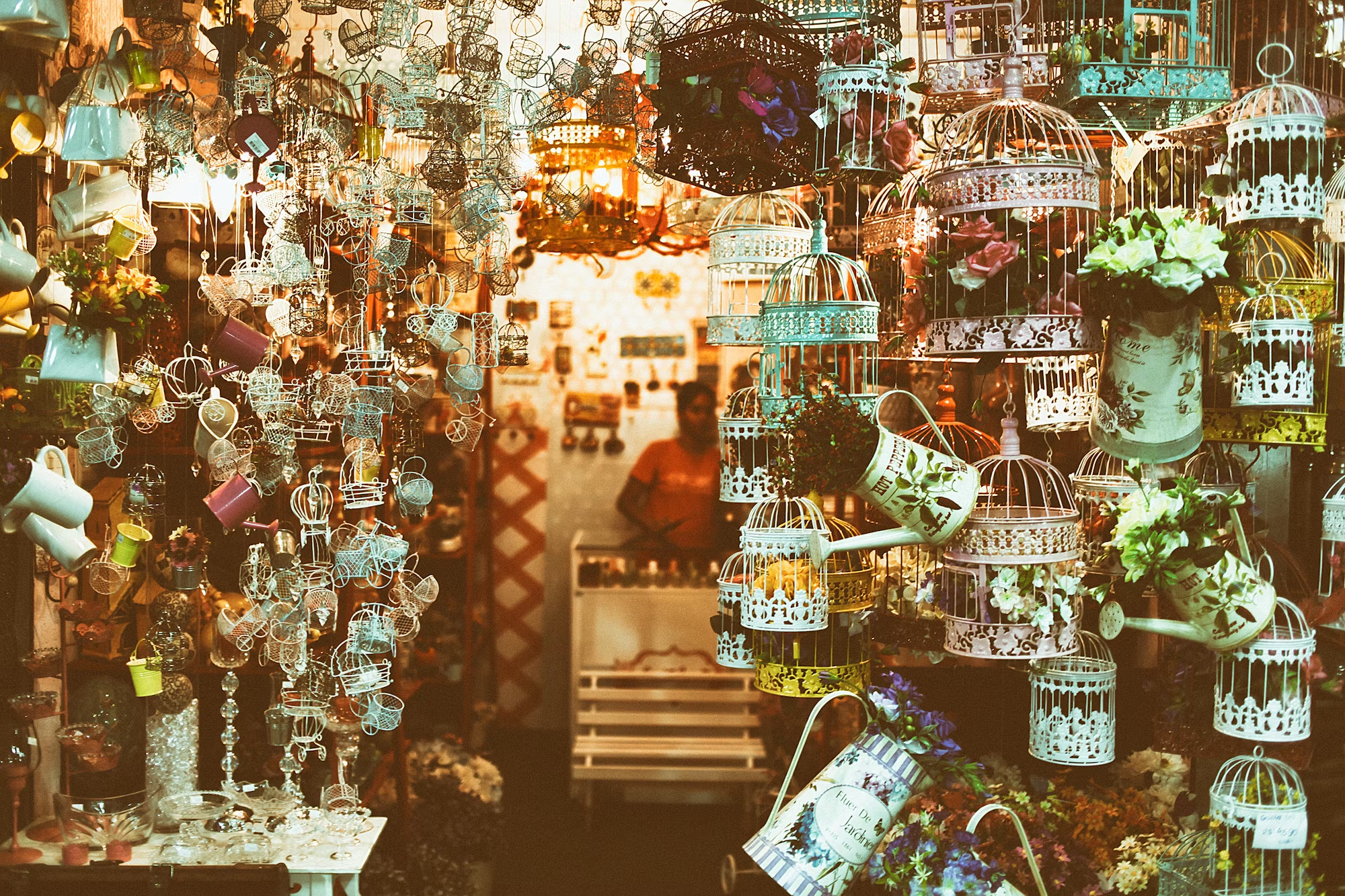
Local markets are vibrant hubs of culture and commerce, offering a unique glimpse into the heart of a community. From bustling street markets to serene farmers’ markets, each type reflects the local identity and fosters connections among residents and visitors. The experience of exploring these markets is often rich with sensory delights, where colors, sounds, and aromas combine to create an unforgettable atmosphere. As we delve into the world of local markets, we uncover not only their economic importance but also their role in preserving traditions and strengthening community ties.

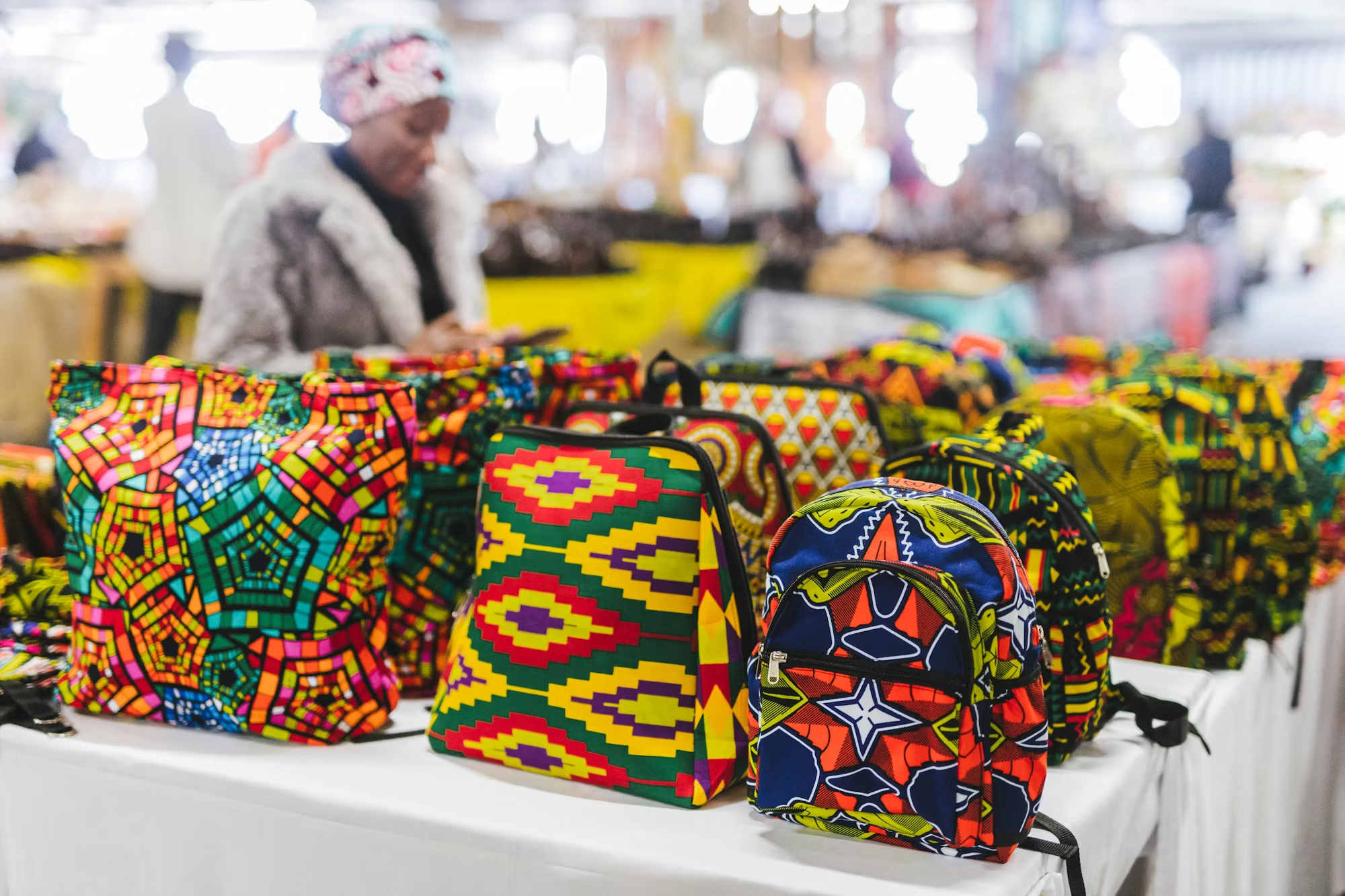
Street markets are perhaps the most recognizable form of local market, bringing life to urban settings with their dynamic energy. These markets typically emerge in public spaces, where vendors set up stalls to showcase a diverse array of goods, from fresh produce to handmade crafts. The atmosphere is electric, filled with the sounds of bargaining, laughter, and the sizzling of street food being prepared right before your eyes. The experience of wandering through a street market is a feast for the senses, where shoppers can sample flavors and engage with vendors eager to share their stories.

The personal interactions that occur in street markets are invaluable. Many vendors are local artisans or farmers, passionate about their products and eager to provide insight into their origins. Shoppers often find themselves immersed in conversations that enrich the experience, learning about local traditions and culinary practices. This connection fosters a sense of community, transforming shopping into a more meaningful endeavor. Vendors may share recipes or tips on how to use their products, enhancing the relationship between consumer and creator.

In contrast, farmers’ markets focus on local agriculture, showcasing fresh, seasonal produce directly from the farm to the consumer. Here, shoppers can find an impressive selection of fruits, vegetables, dairy, meats, and artisanal products. The emphasis on local sourcing not only supports the economy but also promotes healthier eating habits. Farmers’ markets typically operate on a seasonal basis, offering a rotating selection of goods that highlights the best of local agriculture.

The atmosphere at farmers’ markets is often warm and inviting, encouraging families and friends to gather and enjoy the experience together. Many markets host events such as cooking demonstrations, live music, and workshops, transforming a simple shopping trip into a community celebration. These gatherings not only promote local products but also facilitate education about sustainable practices and healthy eating. By fostering a sense of belonging, farmers’ markets become essential to community life, reinforcing the idea that food is not just a commodity but a shared experience.

Bazaars and souks offer another fascinating perspective on local markets, particularly in Middle Eastern and Asian cultures. These traditional markets are characterized by their vibrant displays and intricate layouts. Vendors sell a variety of goods, from exotic spices and textiles to handcrafted jewelry and artwork. The experience of exploring a bazaar is akin to entering a living museum, where each stall tells a story through its offerings.

One of the defining features of bazaars is the art of negotiation. Haggling is not only accepted but expected, adding an element of excitement to the shopping experience. Visitors often engage in lively exchanges with vendors, creating an atmosphere of camaraderie and shared enthusiasm. This dynamic interaction fosters a deeper appreciation for the products being sold, as shoppers learn about their cultural significance and craftsmanship.

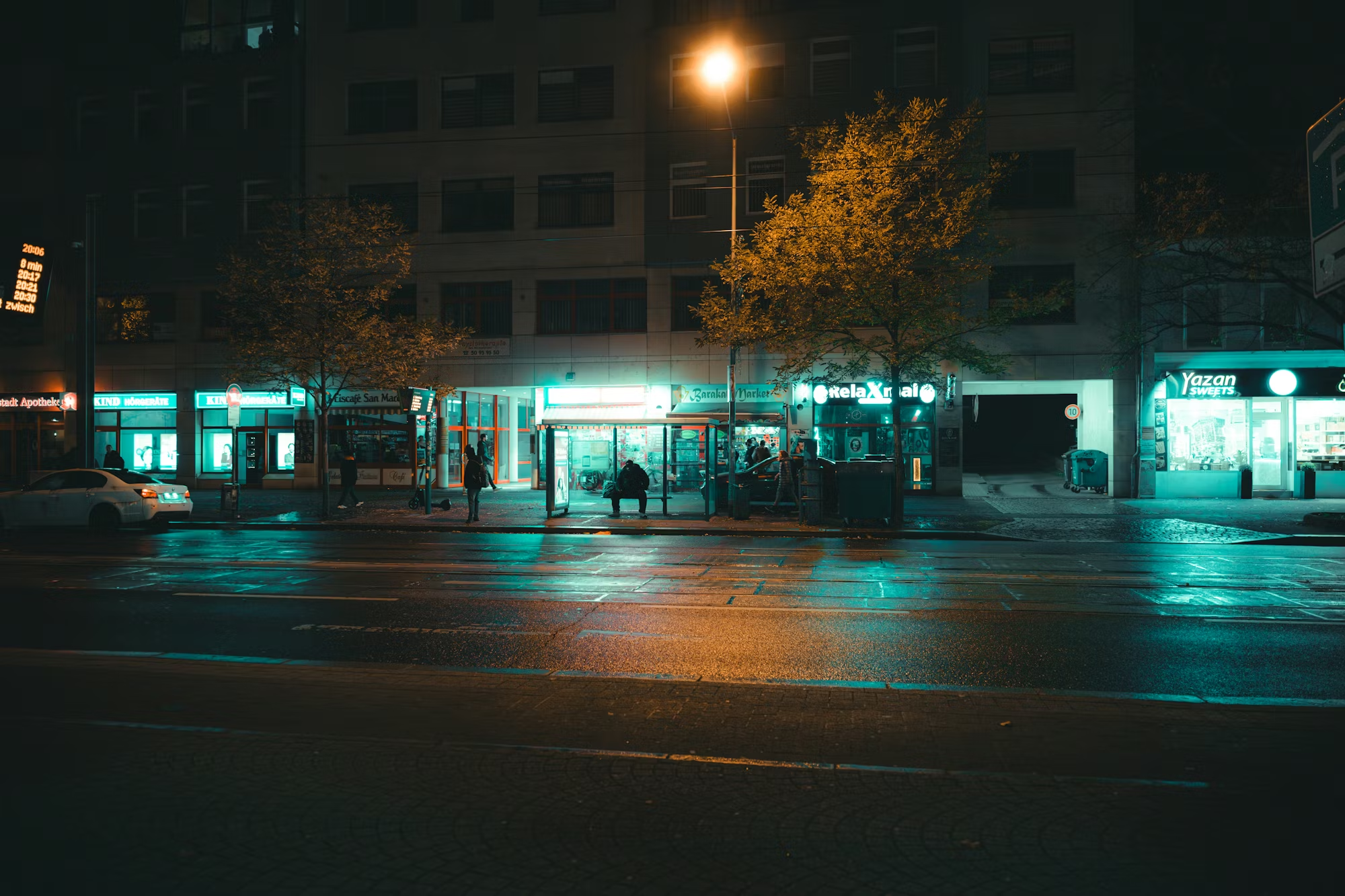
Night markets, especially popular in Asian countries, bring a different energy to the local market scene. These markets come alive in the evening, featuring a vibrant mix of food stalls, entertainment, and shopping opportunities. The enticing aromas of grilled meats, sweet desserts, and fried snacks fill the air, drawing in crowds eager to indulge in local flavors. Night markets are often a sensory overload, with bright lights, lively music, and bustling crowds creating an electrifying atmosphere.

The communal dining experience at night markets encourages social interaction, as groups of friends and families come together to sample a variety of dishes. Many vendors offer small portions designed for sharing, allowing diners to try multiple flavors in one visit. This spirit of sharing fosters a sense of connection and community, turning a meal into a festive occasion. As visitors gather around tables or benches, laughter and conversation flow freely, reinforcing the idea that food brings people together.

Flea markets offer another exciting avenue for exploration, blending the old with the new. These markets are a treasure trove of vintage items, antiques, and artisanal crafts. Shoppers can spend hours sifting through booths filled with unique finds, from retro clothing to handmade jewelry. The thrill of discovering a hidden gem adds to the excitement of the experience, making each visit feel like a treasure hunt.

Vendors at flea markets often showcase their creativity, presenting items that reflect their unique styles and personalities. This diversity encourages exploration and fosters a sense of community among shoppers, who often share tips and recommendations with one another. The atmosphere is typically relaxed and friendly, allowing for spontaneous conversations and connections to form between strangers who share a love for discovery.

Fish markets, particularly in coastal regions, provide a direct connection to the sea, showcasing the freshest seafood available. The lively ambiance of these markets, filled with the sounds of vendors calling out their daily catches, creates an engaging shopping experience for seafood enthusiasts. Shoppers can interact with fishermen, learn about sustainable fishing practices, and discover new seafood varieties. This connection enhances appreciation for marine resources and encourages responsible consumption.

Traditional markets serve not only as commercial centers but also as cultural landmarks that reflect the identity of their communities. They provide gathering spaces where people come together to connect, share stories, and celebrate local traditions. The interactions that occur within these markets help build community ties and foster a sense of belonging. As such, markets are essential not just for their economic contributions but for their role in nurturing social cohesion.

In conclusion, local markets are vital components of community life, offering a rich tapestry of cultural experiences that celebrate local heritage and foster connections among individuals. From the lively atmosphere of street markets to the educational opportunities at farmers’ markets, these spaces play a crucial role in shaping our understanding of culture and community. As we continue to embrace the importance of local markets, we ensure that they remain cherished destinations for generations to come, highlighting the beauty of human connection and the joy of shared experiences.
Navigating the Modern Retail Landscape: Trends and Innovations

In recent years, the retail industry has undergone a seismic shift, driven by changing consumer preferences, technological advancements, and a growing emphasis on sustainability. As we navigate this modern retail landscape, it is essential to understand how different types of stores are evolving to meet the expectations of today’s shoppers. From traditional department stores to innovative pop-up shops, the way consumers shop is changing, and retailers must adapt to stay competitive.

One of the most notable trends in retail is the rise of e-commerce. The convenience of shopping online has transformed consumer behavior, allowing shoppers to access a vast array of products with just a few clicks. This shift has prompted many department stores to invest heavily in their online platforms, integrating them with physical locations to create a seamless omnichannel experience. This integration allows consumers to browse online, check product availability in-store, and even arrange for in-store pickups, blending the advantages of both shopping modalities.

In addition to convenience, personalization has become a cornerstone of the shopping experience. Modern consumers expect retailers to understand their individual preferences and tailor offerings accordingly. This expectation has led many specialty stores to leverage data analytics to gain insights into customer behavior. By analyzing purchasing patterns and preferences, these stores can curate selections that resonate with their target audience, enhancing customer satisfaction and loyalty. This personalized approach not only fosters stronger relationships but also encourages repeat business, as consumers feel valued and understood.

Sustainability has emerged as a critical factor influencing shopping decisions. As environmental awareness grows, consumers are increasingly drawn to brands that prioritize eco-friendly practices. Retailers are responding by adopting sustainable sourcing strategies, reducing packaging waste, and implementing recycling programs. Thrift stores have gained traction as a sustainable shopping option, offering pre-owned items at lower prices while promoting a circular economy. This growing interest in sustainability reflects a broader societal shift toward conscious consumerism, where shoppers consider the environmental impact of their purchases.

Experiential retail is another trend reshaping the landscape. Physical stores are evolving from mere points of sale into immersive environments that provide unique experiences. Flagship stores, in particular, serve as brand ambassadors, showcasing a company’s values and identity. These locations often host events, workshops, and product launches, creating a sense of community and engagement. By offering experiences beyond transactions, retailers can forge deeper connections with their customers, enhancing overall satisfaction and loyalty. This trend is particularly effective in industries where storytelling and brand identity play significant roles.

Pop-up shops have emerged as a dynamic response to changing consumer desires for novelty and exclusivity. These temporary retail spaces generate excitement and urgency by offering limited-time products or unique collaborations. Positioned in high-traffic areas, pop-up shops attract curious shoppers and create buzz around a brand. This innovative retail format allows businesses to test new markets, gather customer feedback, and refine their strategies, making it a valuable tool in the modern retail arsenal. By capitalizing on the allure of scarcity, pop-up shops create memorable experiences that resonate with consumers.

Chain stores, with their extensive networks and brand consistency, continue to be a significant force in retail. However, they are adapting to remain competitive by enhancing their in-store experiences through technology. Many chain retailers are implementing mobile apps that enable customers to check product availability, receive personalized promotions, and navigate stores more efficiently. By leveraging technology to streamline operations and enhance customer engagement, these retailers can create a more enjoyable shopping experience, ultimately improving customer satisfaction.

Warehouse clubs are also evolving in response to consumer preferences. Traditionally known for offering bulk products at discounted prices, many of these membership-based stores are expanding their selections to include organic and health-conscious options. As shoppers increasingly prioritize quality alongside affordability, warehouse clubs can thrive by delivering exceptional value without compromising on product integrity. This shift not only caters to health-conscious consumers but also positions these stores as leaders in the competitive retail landscape.

Farmers’ markets illustrate another evolution in retail, connecting consumers directly with local producers and offering fresh, high-quality products. These vibrant marketplaces have gained popularity as shoppers seek fresh, locally sourced options. By fostering community connections, farmers’ markets not only support local economies but also enhance the shopping experience by allowing consumers to engage with those who grow their food. This direct relationship instills trust and transparency, further enriching the consumer experience.

Convenience stores are also adapting to meet the needs of modern shoppers. Historically focused on snacks and beverages, many convenience stores are now offering a wider selection of fresh foods, ready-to-eat meals, and health-conscious options. By recognizing the shift toward healthier eating, these stores cater to busy consumers seeking nutritious choices without sacrificing convenience. This evolution reflects a broader trend in retail, where health awareness is increasingly shaping purchasing decisions.

Technology plays a crucial role in the evolution of retail. Innovations such as virtual reality (VR) and augmented reality (AR) are enhancing shopping experiences, allowing consumers to visualize products in their own environments or try on clothes virtually. Retailers are harnessing artificial intelligence (AI) to analyze consumer data, enabling them to predict trends and tailor offerings more effectively. By embracing these technological advancements, retailers can create personalized and engaging shopping experiences that resonate with today’s consumers, ultimately enhancing their satisfaction and loyalty.

Social commerce is an emerging trend that leverages social media platforms to facilitate shopping experiences. Platforms like Instagram and TikTok have become vital marketing channels, enabling retailers to connect with younger audiences in creative and engaging ways. By collaborating with influencers and utilizing user-generated content, brands can increase visibility and foster community engagement, transforming shopping into a more interactive and enjoyable experience. This trend reflects changing consumer dynamics, where social interaction plays a crucial role in the purchasing process.

In conclusion, the retail industry is in a state of transformation, shaped by evolving consumer preferences and technological advancements. As shoppers increasingly prioritize convenience, personalization, and sustainability, retailers must adapt their strategies to remain competitive. From personalized offerings and sustainability initiatives to experiential retail and e-commerce integration, the future of retail holds exciting opportunities for innovation. By staying attuned to consumer needs and embracing change, retailers can forge lasting connections with their customers, ensuring their success in a dynamic market. The retail landscape will continue to evolve, driven by the desire for meaningful experiences and the integration of cutting-edge technologies, paving the way for a new era in retail.

Navigating the Modern Retail Landscape: Trends and Innovations

In recent years, the retail industry has undergone a seismic shift, driven by changing consumer preferences, technological advancements, and a growing emphasis on sustainability. As we navigate this modern retail landscape, it is essential to understand how different types of stores are evolving to meet the expectations of today’s shoppers. From traditional department stores to innovative pop-up shops, the way consumers shop is changing, and retailers must adapt to stay competitive.

One of the most notable trends in retail is the rise of e-commerce. The convenience of shopping online has transformed consumer behavior, allowing shoppers to access a vast array of products with just a few clicks. This shift has prompted many department stores to invest heavily in their online platforms, integrating them with physical locations to create a seamless omnichannel experience. This integration allows consumers to browse online, check product availability in-store, and even arrange for in-store pickups, blending the advantages of both shopping modalities.

In addition to convenience, personalization has become a cornerstone of the shopping experience. Modern consumers expect retailers to understand their individual preferences and tailor offerings accordingly. This expectation has led many specialty stores to leverage data analytics to gain insights into customer behavior. By analyzing purchasing patterns and preferences, these stores can curate selections that resonate with their target audience, enhancing customer satisfaction and loyalty. This personalized approach not only fosters stronger relationships but also encourages repeat business, as consumers feel valued and understood.

Sustainability has emerged as a critical factor influencing shopping decisions. As environmental awareness grows, consumers are increasingly drawn to brands that prioritize eco-friendly practices. Retailers are responding by adopting sustainable sourcing strategies, reducing packaging waste, and implementing recycling programs. Thrift stores have gained traction as a sustainable shopping option, offering pre-owned items at lower prices while promoting a circular economy. This growing interest in sustainability reflects a broader societal shift toward conscious consumerism, where shoppers consider the environmental impact of their purchases.

Experiential retail is another trend reshaping the landscape. Physical stores are evolving from mere points of sale into immersive environments that provide unique experiences. Flagship stores, in particular, serve as brand ambassadors, showcasing a company’s values and identity. These locations often host events, workshops, and product launches, creating a sense of community and engagement. By offering experiences beyond transactions, retailers can forge deeper connections with their customers, enhancing overall satisfaction and loyalty. This trend is particularly effective in industries where storytelling and brand identity play significant roles.

Pop-up shops have emerged as a dynamic response to changing consumer desires for novelty and exclusivity. These temporary retail spaces generate excitement and urgency by offering limited-time products or unique collaborations. Positioned in high-traffic areas, pop-up shops attract curious shoppers and create buzz around a brand. This innovative retail format allows businesses to test new markets, gather customer feedback, and refine their strategies, making it a valuable tool in the modern retail arsenal. By capitalizing on the allure of scarcity, pop-up shops create memorable experiences that resonate with consumers.

Chain stores, with their extensive networks and brand consistency, continue to be a significant force in retail. However, they are adapting to remain competitive by enhancing their in-store experiences through technology. Many chain retailers are implementing mobile apps that enable customers to check product availability, receive personalized promotions, and navigate stores more efficiently. By leveraging technology to streamline operations and enhance customer engagement, these retailers can create a more enjoyable shopping experience, ultimately improving customer satisfaction.

Warehouse clubs are also evolving in response to consumer preferences. Traditionally known for offering bulk products at discounted prices, many of these membership-based stores are expanding their selections to include organic and health-conscious options. As shoppers increasingly prioritize quality alongside affordability, warehouse clubs can thrive by delivering exceptional value without compromising on product integrity. This shift not only caters to health-conscious consumers but also positions these stores as leaders in the competitive retail landscape.

Farmers’ markets illustrate another evolution in retail, connecting consumers directly with local producers and offering fresh, high-quality products. These vibrant marketplaces have gained popularity as shoppers seek fresh, locally sourced options. By fostering community connections, farmers’ markets not only support local economies but also enhance the shopping experience by allowing consumers to engage with those who grow their food. This direct relationship instills trust and transparency, further enriching the consumer experience.

Convenience stores are also adapting to meet the needs of modern shoppers. Historically focused on snacks and beverages, many convenience stores are now offering a wider selection of fresh foods, ready-to-eat meals, and health-conscious options. By recognizing the shift toward healthier eating, these stores cater to busy consumers seeking nutritious choices without sacrificing convenience. This evolution reflects a broader trend in retail, where health awareness is increasingly shaping purchasing decisions.

Technology plays a crucial role in the evolution of retail. Innovations such as virtual reality (VR) and augmented reality (AR) are enhancing shopping experiences, allowing consumers to visualize products in their own environments or try on clothes virtually. Retailers are harnessing artificial intelligence (AI) to analyze consumer data, enabling them to predict trends and tailor offerings more effectively. By embracing these technological advancements, retailers can create personalized and engaging shopping experiences that resonate with today’s consumers, ultimately enhancing their satisfaction and loyalty.

Social commerce is an emerging trend that leverages social media platforms to facilitate shopping experiences. Platforms like Instagram and TikTok have become vital marketing channels, enabling retailers to connect with younger audiences in creative and engaging ways. By collaborating with influencers and utilizing user-generated content, brands can increase visibility and foster community engagement, transforming shopping into a more interactive and enjoyable experience. This trend reflects changing consumer dynamics, where social interaction plays a crucial role in the purchasing process.

In conclusion, the retail industry is in a state of transformation, shaped by evolving consumer preferences and technological advancements. As shoppers increasingly prioritize convenience, personalization, and sustainability, retailers must adapt their strategies to remain competitive. From personalized offerings and sustainability initiatives to experiential retail and e-commerce integration, the future of retail holds exciting opportunities for innovation. By staying attuned to consumer needs and embracing change, retailers can forge lasting connections with their customers, ensuring their success in a dynamic market. The retail landscape will continue to evolve, driven by the desire for meaningful experiences and the integration of cutting-edge technologies, paving the way for a new era in retail.

Navigating the Future of Retail: Understanding Consumer Trends in Shopping

The retail landscape is constantly shifting, influenced by a myriad of factors including technological advancements, changing consumer behaviors, and cultural trends. As we delve into the future of retail, it’s essential to understand how these elements intertwine to shape shopping experiences and consumer expectations. By examining current trends, we can gain insights into what the future holds for the industry and its patrons.

One of the most significant trends reshaping retail is the rise of e-commerce. Over the past decade, online shopping has grown exponentially, driven by the convenience it offers consumers. Today, people can browse an almost limitless selection of products from the comfort of their homes, making it easier than ever to compare prices and find the best deals. This convenience has led to a shift in how consumers perceive shopping, transitioning from a necessity to a pleasurable experience that can be enjoyed at their leisure.

E-commerce platforms continue to evolve, incorporating advanced technologies such as artificial intelligence (AI) and machine learning. These technologies enable retailers to provide personalized shopping experiences, predicting consumer preferences based on past purchases and browsing behavior. As a result, shoppers are presented with tailored recommendations that enhance their online experience. Furthermore, innovations in payment systems, such as mobile wallets and one-click purchasing, have streamlined transactions, making online shopping faster and more user-friendly.

However, while e-commerce has gained immense popularity, traditional in-store shopping is not disappearing. In fact, many consumers still cherish the tactile experience of physically browsing through products. Retailers are adapting by creating hybrid shopping models that combine the best of both worlds. For example, click-and-collect services allow consumers to purchase items online and pick them up at a nearby store, merging convenience with the immediacy of in-store shopping. Additionally, brick-and-mortar retailers are focusing on enhancing the in-store experience, using immersive technology such as augmented reality (AR) to create engaging environments that encourage exploration and interaction.

As we examine shopping preferences, it’s clear that sustainability is becoming increasingly important to consumers. The modern shopper is more aware of the environmental impact of their purchases and is seeking brands that prioritize sustainable practices. Retailers are responding by adopting eco-friendly practices, from using sustainable materials in their products to implementing ethical sourcing strategies. This trend is not only limited to the products themselves but extends to packaging and shipping methods as well. Brands that demonstrate a commitment to sustainability often foster stronger connections with consumers, as customers feel they are contributing to a greater cause with their purchases.

Social media also plays a pivotal role in shaping consumer behavior today. Platforms such as Instagram and TikTok have transformed the way people discover and interact with brands. Influencer marketing has become a powerful tool, allowing brands to leverage the reach of popular personalities to engage potential customers. As consumers increasingly turn to social media for inspiration and recommendations, retailers must ensure their online presence is not only strong but also authentic. Engaging with customers through social media channels can enhance brand loyalty and drive sales.

Moreover, social shopping is on the rise, where consumers make purchasing decisions based on peer recommendations and shared experiences. Features such as shoppable posts and live-streamed shopping events enable brands to create interactive experiences that resonate with their audience. This community-driven approach to shopping encourages consumers to share their experiences, ultimately influencing their peers and expanding a brand’s reach.

Impulse shopping remains a key aspect of retail, often fueled by effective marketing strategies. Retailers utilize psychological techniques to encourage spontaneous purchases, such as attractive displays and limited-time offers. These strategies can create a sense of urgency that prompts consumers to act quickly, often resulting in unplanned purchases. While this can lead to a boost in sales, it’s essential for consumers to maintain awareness of their spending habits to avoid buyer’s remorse.

The emergence of subscription shopping models is another trend gaining traction. Consumers are increasingly drawn to services that offer curated selections of products delivered directly to their doorsteps. This model not only provides convenience but also adds an element of surprise, as subscribers look forward to discovering new items each month. Popular in industries such as beauty, food, and fashion, subscription boxes cater to a variety of interests, allowing consumers to explore niche markets they may not have encountered otherwise.

Thrift and vintage shopping have also surged in popularity, as consumers seek unique and sustainable options. The rise of secondhand shopping platforms has made it easier for individuals to buy and sell pre-owned items, promoting a circular economy. Thrift stores and online marketplaces provide shoppers with an opportunity to find distinctive pieces while reducing their environmental impact. This trend reflects a growing desire among consumers to embrace individuality and sustainability in their purchasing decisions.

Grocery shopping continues to be a crucial aspect of everyday life, but even this sector is evolving. The rise of online grocery services has transformed the way consumers shop for food. Many people now prefer the convenience of ordering groceries online, with options for home delivery or curbside pickup. This shift has prompted traditional grocery retailers to enhance their online offerings, ensuring they remain competitive in a rapidly changing market. As consumers become accustomed to the convenience of online grocery shopping, retailers must continually innovate to meet their needs.

Luxury shopping, on the other hand, presents a different set of dynamics. High-end brands are leveraging digital platforms to reach a broader audience while maintaining exclusivity. The luxury market has seen a surge in online sales, prompting brands to invest in creating luxurious digital shopping experiences that mirror the in-store ambiance. Personalized services, such as virtual styling appointments and bespoke offerings, are becoming increasingly important as luxury brands seek to provide exceptional experiences to their discerning clientele.

Outlet shopping remains a popular option for consumers looking to score deals on quality products. Outlet centers provide a space where shoppers can find discounted items from well-known brands, creating a treasure hunt experience that many enjoy. The allure of finding high-quality products at reduced prices keeps consumers returning, making outlet shopping a staple in the retail landscape.

In conclusion, the future of retail is shaped by a complex interplay of technology, consumer preferences, and societal values. As shopping experiences continue to evolve, retailers must stay attuned to these changes to meet the demands of modern consumers. Whether through enhancing e-commerce platforms, embracing sustainability, or leveraging social media, the ultimate goal remains the same: to create engaging and satisfying shopping experiences that resonate with consumers on a personal level. As we navigate this dynamic landscape, the potential for innovation and growth in the retail sector is limitless.

Navigating the Future of Retail: Trends Shaping the Shopping Experience

The retail landscape is continuously evolving, influenced by technological advancements, changing consumer preferences, and a growing emphasis on sustainability. As we look to the future of retail, several key trends are emerging that promise to redefine the shopping experience. This article explores these trends and their implications for both consumers and retailers, providing insights into how the industry is adapting to meet the demands of a new era.

One of the most significant trends shaping the future of retail is the rapid integration of technology into the shopping experience. With the rise of e-commerce, consumers have become accustomed to the convenience of online shopping. However, traditional brick-and-mortar stores are not being left behind; instead, they are adopting innovative technologies to enhance in-store experiences. Augmented reality (AR) and virtual reality (VR) are becoming increasingly popular, allowing customers to visualize products in real-time. For example, furniture retailers are utilizing AR apps that enable shoppers to see how a piece of furniture would look in their home before making a purchase, bridging the gap between online and offline shopping.

Another technological advancement transforming retail is the use of artificial intelligence (AI). Retailers are leveraging AI to analyze consumer data, predict trends, and personalize shopping experiences. By understanding customer preferences, retailers can offer tailored recommendations, streamline inventory management, and optimize pricing strategies. For instance, AI-driven chatbots are now commonplace, providing customers with instant assistance and improving overall service quality. This level of personalization not only enhances customer satisfaction but also fosters brand loyalty as consumers feel understood and valued.

As consumers become more conscious of their purchasing decisions, sustainability has emerged as a crucial factor in the retail industry. Shoppers are increasingly seeking brands that prioritize environmentally friendly practices and ethical sourcing. This shift has led many retailers to implement sustainable practices, such as reducing waste, using recyclable materials, and promoting eco-friendly products. Retailers that embrace sustainability are not only appealing to a growing segment of environmentally conscious consumers but also positioning themselves as leaders in the market. Brands that transparently communicate their sustainability efforts are more likely to build trust and loyalty among customers who value ethical practices.

Additionally, the rise of social commerce is changing the way consumers discover and purchase products. Social media platforms, such as Instagram and TikTok, are evolving into shopping destinations, allowing brands to showcase their products directly to consumers. Influencer marketing plays a significant role in this trend, as influencers help brands reach new audiences through authentic endorsements. The integration of shoppable posts and live shopping events on these platforms has made it easier than ever for consumers to make purchases with just a few clicks, creating a seamless shopping experience.

Furthermore, the concept of omnichannel retailing is gaining momentum. Today’s consumers expect a seamless experience across all shopping channels, whether online or in-store. Retailers are investing in integrated systems that allow for a cohesive shopping journey, enabling customers to switch between channels without interruption. For example, a shopper may browse a product online, check its availability at a nearby store, and then choose to pick it up in person. This flexibility enhances the overall shopping experience and caters to the diverse preferences of consumers.

Another noteworthy trend is the rise of experiential retail. As shopping becomes increasingly digitized, retailers are recognizing the importance of creating memorable experiences that draw customers into stores. Experiential retail focuses on providing interactive and immersive experiences that engage consumers beyond traditional shopping. Pop-up shops, in-store events, and hands-on demonstrations allow brands to connect with their audience on a deeper level. By offering unique experiences, retailers can foster a sense of community and encourage customers to spend more time in-store, ultimately driving sales.

The growth of subscription services also reflects changing consumer behavior. Subscription models have gained popularity across various industries, from beauty products to meal kits. These services offer convenience and personalization, allowing consumers to receive curated selections of products delivered to their doors. Retailers are leveraging this trend by creating subscription options that cater to specific interests, providing consumers with a hassle-free way to discover new products. Subscription services not only boost customer loyalty but also create predictable revenue streams for retailers.

Moreover, the importance of localism is gaining traction. Consumers are increasingly interested in supporting local businesses and seeking out unique, locally made products. This trend has prompted retailers to emphasize their local roots, showcasing regional products and collaborating with local artisans. By tapping into the growing demand for local goods, retailers can differentiate themselves from larger competitors and foster a sense of community connection.

As we move forward, the retail industry will continue to evolve in response to these trends. Retailers that embrace technological advancements, prioritize sustainability, and focus on creating meaningful experiences will be well-positioned for success in this rapidly changing landscape. The future of retail is not only about selling products; it’s about building relationships with consumers, understanding their values, and delivering exceptional experiences that resonate on a personal level.

In conclusion, the future of retail is bright and full of opportunities. With the integration of technology, a focus on sustainability, and a commitment to enhancing the customer experience, retailers can navigate the challenges and capitalize on the trends shaping the industry. As consumer expectations evolve, those who adapt and innovate will thrive in the ever-changing world of retail, creating lasting connections with their customers and driving growth in the years to come.

Navigating the Future of Retail: Trends Shaping the Shopping Experience

The retail landscape is continuously evolving, influenced by technological advancements, changing consumer preferences, and a growing emphasis on sustainability. As we look to the future of retail, several key trends are emerging that promise to redefine the shopping experience. This article explores these trends and their implications for both consumers and retailers, providing insights into how the industry is adapting to meet the demands of a new era.

One of the most significant trends shaping the future of retail is the rapid integration of technology into the shopping experience. With the rise of e-commerce, consumers have become accustomed to the convenience of online shopping. However, traditional brick-and-mortar stores are not being left behind; instead, they are adopting innovative technologies to enhance in-store experiences. Augmented reality (AR) and virtual reality (VR) are becoming increasingly popular, allowing customers to visualize products in real-time. For example, furniture retailers are utilizing AR apps that enable shoppers to see how a piece of furniture would look in their home before making a purchase, bridging the gap between online and offline shopping.

Another technological advancement transforming retail is the use of artificial intelligence (AI). Retailers are leveraging AI to analyze consumer data, predict trends, and personalize shopping experiences. By understanding customer preferences, retailers can offer tailored recommendations, streamline inventory management, and optimize pricing strategies. For instance, AI-driven chatbots are now commonplace, providing customers with instant assistance and improving overall service quality. This level of personalization not only enhances customer satisfaction but also fosters brand loyalty as consumers feel understood and valued.

As consumers become more conscious of their purchasing decisions, sustainability has emerged as a crucial factor in the retail industry. Shoppers are increasingly seeking brands that prioritize environmentally friendly practices and ethical sourcing. This shift has led many retailers to implement sustainable practices, such as reducing waste, using recyclable materials, and promoting eco-friendly products. Retailers that embrace sustainability are not only appealing to a growing segment of environmentally conscious consumers but also positioning themselves as leaders in the market. Brands that transparently communicate their sustainability efforts are more likely to build trust and loyalty among customers who value ethical practices.

Additionally, the rise of social commerce is changing the way consumers discover and purchase products. Social media platforms, such as Instagram and TikTok, are evolving into shopping destinations, allowing brands to showcase their products directly to consumers. Influencer marketing plays a significant role in this trend, as influencers help brands reach new audiences through authentic endorsements. The integration of shoppable posts and live shopping events on these platforms has made it easier than ever for consumers to make purchases with just a few clicks, creating a seamless shopping experience.

Furthermore, the concept of omnichannel retailing is gaining momentum. Today’s consumers expect a seamless experience across all shopping channels, whether online or in-store. Retailers are investing in integrated systems that allow for a cohesive shopping journey, enabling customers to switch between channels without interruption. For example, a shopper may browse a product online, check its availability at a nearby store, and then choose to pick it up in person. This flexibility enhances the overall shopping experience and caters to the diverse preferences of consumers.

Another noteworthy trend is the rise of experiential retail. As shopping becomes increasingly digitized, retailers are recognizing the importance of creating memorable experiences that draw customers into stores. Experiential retail focuses on providing interactive and immersive experiences that engage consumers beyond traditional shopping. Pop-up shops, in-store events, and hands-on demonstrations allow brands to connect with their audience on a deeper level. By offering unique experiences, retailers can foster a sense of community and encourage customers to spend more time in-store, ultimately driving sales.

The growth of subscription services also reflects changing consumer behavior. Subscription models have gained popularity across various industries, from beauty products to meal kits. These services offer convenience and personalization, allowing consumers to receive curated selections of products delivered to their doors. Retailers are leveraging this trend by creating subscription options that cater to specific interests, providing consumers with a hassle-free way to discover new products. Subscription services not only boost customer loyalty but also create predictable revenue streams for retailers.

Moreover, the importance of localism is gaining traction. Consumers are increasingly interested in supporting local businesses and seeking out unique, locally made products. This trend has prompted retailers to emphasize their local roots, showcasing regional products and collaborating with local artisans. By tapping into the growing demand for local goods, retailers can differentiate themselves from larger competitors and foster a sense of community connection.

As we move forward, the retail industry will continue to evolve in response to these trends. Retailers that embrace technological advancements, prioritize sustainability, and focus on creating meaningful experiences will be well-positioned for success in this rapidly changing landscape. The future of retail is not only about selling products; it’s about building relationships with consumers, understanding their values, and delivering exceptional experiences that resonate on a personal level.

In conclusion, the future of retail is bright and full of opportunities. With the integration of technology, a focus on sustainability, and a commitment to enhancing the customer experience, retailers can navigate the challenges and capitalize on the trends shaping the industry. As consumer expectations evolve, those who adapt and innovate will thrive in the ever-changing world of retail, creating lasting connections with their customers and driving growth in the years to come.

Retail Trends: Navigating the Future of Shopping

The retail industry is in a state of rapid transformation, influenced by changing consumer behaviors, technological advancements, and the increasing demand for personalized experiences. As we navigate through this evolving landscape, understanding the key trends shaping the future of shopping is crucial for retailers aiming to thrive. This article delves into the significant trends currently redefining retail, offering insights into how businesses can adapt and innovate to meet consumer expectations.

One of the most notable trends in retail is the growing emphasis on e-commerce. With the rise of online shopping platforms, consumers are now accustomed to the convenience of purchasing products from the comfort of their homes. This shift has prompted traditional retailers to enhance their online presence, integrating seamless e-commerce solutions into their operations. As online shopping continues to grow, retailers must focus on providing user-friendly websites, efficient payment systems, and reliable delivery options to meet the expectations of tech-savvy consumers.

Alongside the growth of e-commerce, the concept of omnichannel retailing has gained traction. This approach allows consumers to interact with a brand across multiple channels, whether online, in-store, or through mobile applications. Retailers are increasingly investing in technology to ensure a cohesive shopping experience, enabling customers to switch between platforms effortlessly. For example, a customer might browse products online, receive personalized recommendations via email, and complete their purchase in-store. By creating a seamless integration of channels, retailers can enhance customer satisfaction and foster loyalty.

Another significant trend shaping the future of retail is the focus on personalization. Today’s consumers expect tailored experiences that resonate with their preferences and needs. Retailers are harnessing data analytics and artificial intelligence to gather insights into consumer behavior, allowing them to create personalized marketing strategies and product recommendations. For instance, a fashion retailer might use past purchase data to suggest new items that align with a customer’s style, making the shopping experience more engaging and relevant.

Experiential retail is also becoming a key component of modern shopping. As consumers seek more than just transactional interactions, retailers are creating immersive experiences that engage all the senses. This trend includes hosting events, workshops, and interactive displays that invite customers to explore products in unique ways. For example, a beauty store might offer makeup tutorials or skincare consultations, allowing customers to try products firsthand. By creating memorable experiences, retailers can forge deeper connections with their audience and encourage repeat visits.

The integration of technology into the retail experience cannot be overstated. Innovations such as augmented reality (AR) and virtual reality (VR) are revolutionizing how consumers shop. Retailers are employing AR to enable customers to visualize products in their own environments, such as seeing how a piece of furniture looks in their living room before making a purchase. This not only enhances the shopping experience but also helps customers make informed decisions, reducing the likelihood of returns. Similarly, VR can transport customers to virtual stores, allowing them to browse and interact with products in an engaging way.

Sustainability is another crucial trend shaping the retail landscape. As consumers become more environmentally conscious, many are seeking brands that prioritize sustainable practices. Retailers are responding by implementing eco-friendly initiatives, such as using sustainable materials, reducing waste, and promoting ethical sourcing. By aligning their practices with the values of today’s consumers, retailers can differentiate themselves and build trust within their communities. For instance, a clothing brand might highlight its use of recycled materials and ethical manufacturing processes, appealing to consumers who prioritize sustainability.

Social media has also emerged as a powerful tool for retailers in engaging with their audience. Platforms like Instagram, TikTok, and Pinterest allow brands to showcase their products in visually appealing ways, fostering a sense of community around their offerings. Influencer marketing has become increasingly popular, with brands collaborating with social media personalities to reach new audiences. By leveraging user-generated content and authentic storytelling, retailers can create a compelling brand narrative that resonates with consumers and drives engagement.

Moreover, the demand for convenience is reshaping how retailers operate. Consumers are looking for quick and easy shopping experiences, prompting retailers to explore solutions like curbside pickup, same-day delivery, and contactless payment options. The ability to shop quickly and efficiently has become a significant factor in customer satisfaction, and retailers that prioritize convenience are more likely to attract and retain customers. For example, grocery stores offering online ordering and curbside pickup cater to busy consumers seeking to save time while still accessing their favorite products.

The role of brick-and-mortar stores is evolving as well, with many retailers reimagining their physical spaces to enhance customer experience. Rather than simply serving as locations for transactions, stores are becoming experiential hubs where consumers can engage with brands on a deeper level. Retailers are investing in redesigning store layouts, creating inviting environments that encourage exploration and interaction. By transforming stores into destinations, retailers can draw customers in and create memorable experiences that extend beyond the shopping trip.

In summary, the future of retail is being shaped by various trends, including the rise of e-commerce, the importance of personalization, experiential retail, technological integration, sustainability, and convenience. Retailers that embrace these trends and adapt their strategies accordingly will be well-positioned to succeed in an increasingly competitive landscape. By prioritizing customer experience and innovation, businesses can not only meet the evolving needs of consumers but also cultivate lasting relationships that drive loyalty and growth.

As the retail industry continues to evolve, staying attuned to emerging trends and consumer preferences will be essential for success. The integration of technology, a focus on sustainability, and the creation of memorable experiences will define the future of shopping, ensuring that retail remains a vibrant and dynamic sector.

Navigating the Modern Marketplace: Trends and Innovations in Shopping

The modern shopping landscape is a vibrant tapestry woven from the threads of technology, consumer behavior, and evolving preferences. As we explore the current trends and innovations in retail, it becomes clear that businesses must adapt to a fast-changing environment. This article delves into the significant influences reshaping how we shop today, from the rise of digital platforms to the increasing demand for personalized experiences and sustainability.

The Digital Transformation of Retail

In recent years, the shift toward digital shopping has been nothing short of revolutionary. E-commerce has become a dominant force, providing consumers with the ability to shop from anywhere, at any time. With the click of a button, shoppers can access an almost limitless array of products and services. This convenience has fundamentally changed consumer expectations, pushing retailers to enhance their online offerings to compete effectively.

Moreover, the rise of mobile shopping has accelerated this transformation. Smartphones have become essential tools for consumers, allowing them to browse, compare, and purchase items with ease. Retailers are keenly aware of this trend and are increasingly developing mobile-friendly websites and applications that enhance the shopping experience. Features like mobile payments, real-time inventory checks, and personalized notifications have made shopping on mobile devices not just convenient but also engaging. As consumers grow accustomed to these enhancements, retailers must prioritize mobile strategies to meet their demands.

Personalization: The New Standard

As consumers are inundated with options, personalization has emerged as a crucial strategy for brands aiming to stand out. Today’s shoppers expect experiences that resonate with their unique preferences. Retailers are harnessing data analytics to gain insights into consumer behavior, enabling them to tailor their offerings accordingly. This data-driven approach allows for personalized recommendations, targeted marketing, and an overall shopping experience that feels curated just for the individual.

Personalization extends beyond product recommendations; it encompasses the entire shopping journey. From personalized emails to customized landing pages and targeted advertisements, brands are striving to create meaningful interactions at every touchpoint. By understanding individual preferences and purchasing habits, retailers can foster deeper connections, enhancing customer satisfaction and encouraging repeat business. This shift towards personalization is not just beneficial for customers; it also helps retailers build loyalty and trust.

The Sustainability Movement

In recent years, sustainability has moved to the forefront of consumer consciousness. As awareness of environmental issues grows, shoppers are increasingly seeking brands that prioritize eco-friendly practices. This demand has led retailers to adopt sustainable sourcing methods, reduce packaging waste, and promote transparency throughout their supply chains.

The popularity of secondhand and vintage shopping also reflects this growing emphasis on sustainability. Consumers are not only interested in unique items but are also motivated by the desire to minimize their environmental impact. Platforms that facilitate the resale of goods are gaining traction, catering to a market that values both sustainability and individuality. Retailers that embrace these sustainable practices not only attract environmentally conscious consumers but also contribute positively to the planet, fostering goodwill and loyalty.

The Role of Social Media in Shopping

Social media has transformed the way consumers engage with brands, influencing purchasing decisions and shaping shopping habits. Platforms like Instagram, TikTok, and Pinterest are now vital channels for retailers to connect with their audiences. By leveraging visually appealing content and authentic storytelling, brands can capture consumer attention and drive traffic to their online stores.

Influencer marketing has also gained momentum, allowing brands to reach specific demographics through endorsements from trusted figures. This strategy taps into the authenticity and relatability of influencers, making products more appealing to their followers. Additionally, the rise of social commerce, which enables consumers to make purchases directly through social media platforms, further streamlines the shopping experience and encourages impulse buying. Retailers must understand and embrace these shifts in consumer behavior to effectively engage their audience.

Omnichannel Retailing: A Seamless Experience

As consumers continue to demand flexibility in their shopping experiences, omnichannel retailing has become a necessary approach for businesses. Modern shoppers expect a seamless integration of online and offline shopping experiences, allowing them to transition effortlessly between channels. Retailers are increasingly adopting omnichannel strategies to create a cohesive experience that enhances customer satisfaction.

For instance, many brands now offer services like buy online, pick up in-store (BOPIS), allowing consumers to order products online and collect them at their convenience. This service not only meets the demand for immediacy but also drives foot traffic to physical locations, presenting an opportunity for upselling and enhanced customer engagement. By offering multiple shopping avenues, brands can cater to diverse consumer preferences and create a holistic shopping experience that resonates deeply.

Technological Innovations Enhancing Retail

Technology is a driving force behind many of the changes in the retail landscape. Innovations such as augmented reality (AR) and virtual reality (VR) are transforming the shopping experience, allowing consumers to interact with products in new and immersive ways. For example, retailers are using AR to let customers visualize how products would look in their own homes, which can significantly influence purchasing decisions.

Artificial intelligence (AI) is also playing a pivotal role in modern retail. From chatbots providing instant support to predictive analytics that help retailers understand consumer behavior, AI is enhancing customer interactions. This level of accessibility meets consumer demands for immediate assistance, ultimately improving the overall shopping experience. By harnessing AI and other technologies, retailers can streamline operations while creating more personalized experiences for their customers.

The Importance of Customer Experience

In a competitive marketplace, delivering exceptional customer experiences is vital for brand loyalty. Today’s consumers have high expectations for service and engagement, and they are quick to switch brands if those expectations are not met. Retailers must prioritize creating positive interactions at every touchpoint of the shopping journey, from initial engagement to post-purchase follow-up.

This commitment to customer experience includes effective communication, responsive customer service, and streamlined checkout processes. Brands that invest in training their staff and utilizing technology to enhance service delivery often see increased customer satisfaction. Furthermore, gathering and acting on customer feedback demonstrates a brand’s commitment to meeting consumer needs and adapting to changing preferences.

The Future of Shopping

As we look to the future, the trends shaping the shopping experience will continue to evolve. Retailers that embrace digital transformation, prioritize personalization, and commit to sustainability will be better positioned to thrive in an increasingly competitive market. Understanding consumer preferences and adapting to these changes is crucial for success in the dynamic retail landscape.

In conclusion, the modern marketplace reflects broader societal changes, driven by technology, consumer values, and the desire for convenience. As the retail industry navigates these transformations, businesses must remain agile, innovative, and responsive to the needs of modern consumers. By doing so, they can create meaningful shopping experiences that resonate with customers and foster loyalty for years to come.

Navigating the Future of Consumer Products: Trends and Innovations

In the ever-evolving world of consumer products, understanding trends and innovations is crucial for both manufacturers and consumers. As technology advances and societal preferences shift, the landscape of products available for everyday use continues to transform. This article explores significant trends in various categories of consumer products, shedding light on what the future holds for the industry.

The Rise of Smart Technology

One of the most profound changes in consumer products has been the integration of smart technology. From smartphones to smart home devices, technology has redefined how we interact with products. Smart devices, equipped with internet connectivity and advanced functionalities, have become a staple in households. For instance, smart speakers like Amazon Echo and Google Home not only play music but also control other smart devices, provide weather updates, and even answer questions.

The trend extends beyond entertainment. Smart home security systems, including cameras and alarms, allow users to monitor their homes remotely, enhancing safety and peace of mind. This shift towards smart technology reflects a broader desire for convenience and efficiency, making everyday tasks easier and more manageable.

Sustainability: A Growing Priority

As environmental concerns gain traction, sustainability has become a pivotal theme in consumer products. More consumers are seeking eco-friendly options, pushing brands to adopt sustainable practices. This includes using recycled materials, minimizing waste in production, and offering products that are biodegradable or easily recyclable.

Fashion brands, for example, are increasingly focusing on sustainable practices by utilizing organic materials and ethical manufacturing processes. This shift is not just a trend but a response to a more informed consumer base that values sustainability. Brands that prioritize eco-friendly practices are likely to gain a competitive edge in the market, appealing to a growing demographic of environmentally conscious shoppers.

Health and Wellness: A Holistic Approach

The health and wellness sector has seen a surge in interest, with consumers prioritizing products that contribute to overall well-being. This trend encompasses not only food and beverages but also personal care items and fitness products. Consumers are becoming more discerning about what they consume and how it affects their health.

In the food industry, there is a notable increase in demand for organic and natural products. Labels that highlight clean ingredients and health benefits are more appealing than ever. Additionally, the rise of plant-based diets has led to the introduction of a variety of meat substitutes and dairy alternatives, catering to consumers looking to make healthier choices.

In personal care, the focus has shifted towards products that promote self-care and wellness. Skincare brands are incorporating natural ingredients and eliminating harmful chemicals, reflecting a growing awareness of the importance of holistic health. This trend highlights the connection between personal well-being and product choice, influencing consumer behavior across various categories.

E-Commerce: The New Normal

The rise of e-commerce has drastically changed how consumers shop for products. Online shopping offers convenience and accessibility, allowing consumers to browse and purchase items from the comfort of their homes. This shift has been accelerated by advancements in technology, making online transactions safer and more efficient.

Brands are adapting to this change by enhancing their online presence and investing in user-friendly websites and mobile apps. E-commerce platforms often provide personalized shopping experiences through targeted recommendations based on previous purchases and browsing history. As consumers continue to embrace online shopping, businesses must innovate to meet their expectations and preferences.

The Impact of Social Media

Social media has become a powerful tool for influencing consumer behavior. Platforms like Instagram, TikTok, and Pinterest not only serve as spaces for sharing personal experiences but also play a significant role in product discovery and brand engagement. Influencer marketing has emerged as a dominant strategy, where brands collaborate with social media personalities to reach wider audiences.

Consumers are increasingly looking to social media for product recommendations, reviews, and inspiration. This trend underscores the importance of maintaining an active online presence and engaging with customers through authentic storytelling and visually appealing content. Brands that effectively leverage social media can build strong connections with consumers, fostering loyalty and driving sales.

Personalization: Tailoring Experiences

As consumers seek more meaningful interactions with brands, personalization has emerged as a key trend. This involves tailoring products, services, and marketing messages to meet individual preferences and needs. Brands are using data analytics to understand consumer behavior and create customized experiences, from personalized emails to targeted advertisements.

In the fashion industry, for instance, many brands are adopting made-to-order models, allowing consumers to customize their garments according to style, color, and fit. This approach not only enhances customer satisfaction but also reduces waste, aligning with sustainability goals. Personalization fosters a sense of connection between brands and consumers, leading to increased loyalty and engagement.

The Future of Transportation: Innovative Solutions

Transportation is another sector undergoing significant transformation, driven by technological advancements and changing consumer preferences. Electric vehicles (EVs) are becoming increasingly popular, as consumers look for eco-friendly alternatives to traditional gasoline-powered cars. The rise of EVs reflects a broader commitment to reducing carbon footprints and embracing sustainable practices.

Furthermore, innovations like ride-sharing and autonomous vehicles are reshaping how people think about transportation. Companies like Uber and Lyft have changed the landscape of personal travel, providing convenient alternatives to car ownership. As these technologies continue to evolve, they are likely to influence consumer behavior and preferences in the years to come.

Conclusion: Adapting to Change

The consumer products industry is in a constant state of flux, influenced by technological advancements, societal changes, and evolving consumer preferences. As brands navigate this dynamic landscape, they must stay attuned to emerging trends and innovations to remain competitive.

From the rise of smart technology and sustainable practices to the impact of e-commerce and social media, understanding these shifts is essential for both manufacturers and consumers. By prioritizing convenience, sustainability, and personalization, the industry can continue to thrive, meeting the diverse needs of a modern consumer base. As we look to the future, the adaptability of brands will play a crucial role in shaping the consumer products landscape.

Innovations in Retail: Navigating the New Era of Shopping

The retail industry is undergoing a remarkable transformation, driven by evolving consumer expectations, technological advancements, and a focus on sustainability. As retailers navigate this new landscape, understanding the innovations shaping the industry is crucial for success. This article explores the key trends and strategies that define the modern retail experience, offering insights into how businesses can adapt and thrive.

The Rise of E-Commerce

E-commerce has fundamentally changed how consumers shop, making online purchasing a staple in today’s market. The convenience of shopping from home has led to an unprecedented shift in consumer behavior. Traditional retailers have recognized this trend and are increasingly investing in their online platforms to provide a seamless shopping experience.

In response to this shift, many businesses are adopting omnichannel strategies that integrate both online and offline shopping experiences. This approach not only allows customers to shop in their preferred manner but also enhances their overall experience. For instance, retailers are implementing services such as same-day delivery and click-and-collect, where customers can order online and pick up their purchases in-store, bridging the gap between physical and digital shopping.

Personalization and Customer Engagement

As competition intensifies, personalization has emerged as a key differentiator for retailers. Modern consumers expect brands to understand their preferences and deliver tailored experiences. By utilizing data analytics, retailers can gain valuable insights into customer behavior, enabling them to offer personalized recommendations and targeted marketing campaigns.

For example, online retailers can analyze past purchases and browsing habits to suggest products that align with individual preferences. This level of personalization not only enhances customer satisfaction but also fosters brand loyalty. When consumers feel valued and understood, they are more likely to return, creating a sustainable cycle of engagement and sales.

Sustainability: A Driving Force

Sustainability is no longer just a trend; it has become a crucial factor in consumer decision-making. Today’s shoppers are increasingly concerned about the environmental impact of their purchases and are actively seeking out brands that prioritize sustainability. Retailers that adopt eco-friendly practices not only appeal to these conscious consumers but also strengthen their brand image.

Many retailers are implementing sustainable sourcing, reducing waste, and adopting environmentally friendly packaging. Brands like Nike and Uniqlo are leading the charge, integrating sustainability into their core business strategies. By promoting transparency in their supply chains and using recycled materials, these companies are demonstrating that they care about the planet, thereby attracting a loyal customer base that values responsible consumption.

Leveraging Technology for Innovation

Technological advancements are reshaping the retail landscape, providing new opportunities for businesses to enhance operations and improve customer experiences. From artificial intelligence to augmented reality, technology is driving innovation across the industry.

AI is particularly impactful, enabling retailers to analyze vast amounts of data to forecast trends, manage inventory, and optimize pricing strategies. For example, machine learning algorithms can predict customer demand based on historical data, allowing retailers to stock popular items more effectively and reduce excess inventory.

Moreover, augmented reality (AR) is transforming the way consumers interact with products. Retailers are incorporating AR into their shopping experiences, allowing customers to visualize how products will fit into their lives. For instance, furniture retailers like IKEA offer AR applications that let customers see how a piece of furniture would look in their home before making a purchase. This technology not only enhances the shopping experience but also reduces the likelihood of returns, benefiting both retailers and consumers.

Enhancing In-Store Experiences

While online shopping continues to grow, physical retail stores still play a vital role in the overall shopping experience. To attract customers, retailers must create engaging in-store environments that encourage exploration and connection. Experiential retail has emerged as a key strategy to transform traditional stores into destinations for consumers.

Leading brands are investing in immersive experiences that allow customers to interact with products in new ways. For instance, Apple stores feature hands-on areas where customers can try out devices and receive personalized assistance from knowledgeable staff. Similarly, Nike has created flagship stores that offer unique experiences, including customization stations and fitness workshops. By fostering a sense of community and providing memorable interactions, retailers can cultivate brand loyalty and drive foot traffic.

The Role of Social Media in Retail

Social media has become an essential tool for retailers looking to connect with consumers. Platforms like Instagram, TikTok, and Facebook provide brands with the opportunity to showcase their products, engage with their audience, and build brand loyalty. Retailers that leverage social media effectively can create vibrant communities around their brands, driving engagement and sales.

Influencer marketing has also gained traction as a strategy for reaching new consumers. By partnering with influencers who resonate with their target audience, brands can tap into new markets and increase their credibility. Authentic endorsements from trusted figures can significantly impact purchasing decisions, leading to increased brand visibility and sales.

Moreover, social media enables direct communication between brands and consumers. Retailers can respond to inquiries, gather feedback, and address concerns in real time, enhancing customer satisfaction and fostering a sense of connection. This level of engagement is essential for building lasting relationships with consumers and ensuring brand loyalty.

Adapting to Changing Consumer Behavior

As consumer preferences evolve, retailers must remain agile and responsive to new trends. Understanding the motivations and desires of consumers is critical for developing effective strategies that resonate with them. Retailers that prioritize flexibility and adaptability are better equipped to navigate challenges and seize opportunities in the dynamic retail landscape.

Ongoing market research and analysis of consumer behavior can help retailers anticipate shifts in preferences. By staying attuned to what drives customer decisions, businesses can tailor their offerings, marketing strategies, and customer engagement efforts to align with evolving expectations. This proactive approach ensures that retailers remain relevant and competitive in an ever-changing marketplace.

Conclusion: The Future of Retail

The retail industry is at a crossroads, shaped by the rapid evolution of consumer behavior, technological innovation, and a commitment to sustainability. Retailers that embrace these trends and adapt their strategies will be well-positioned to thrive in this new era of shopping. By focusing on creating personalized experiences, leveraging technology, and fostering meaningful connections with consumers, businesses can build strong relationships and ensure long-term success.

As we move forward, the future of retail holds exciting possibilities for innovation and growth. Retailers that prioritize customer-centric strategies and remain responsive to changing dynamics will not only navigate challenges but also lead the way in redefining the shopping experience for generations to come.