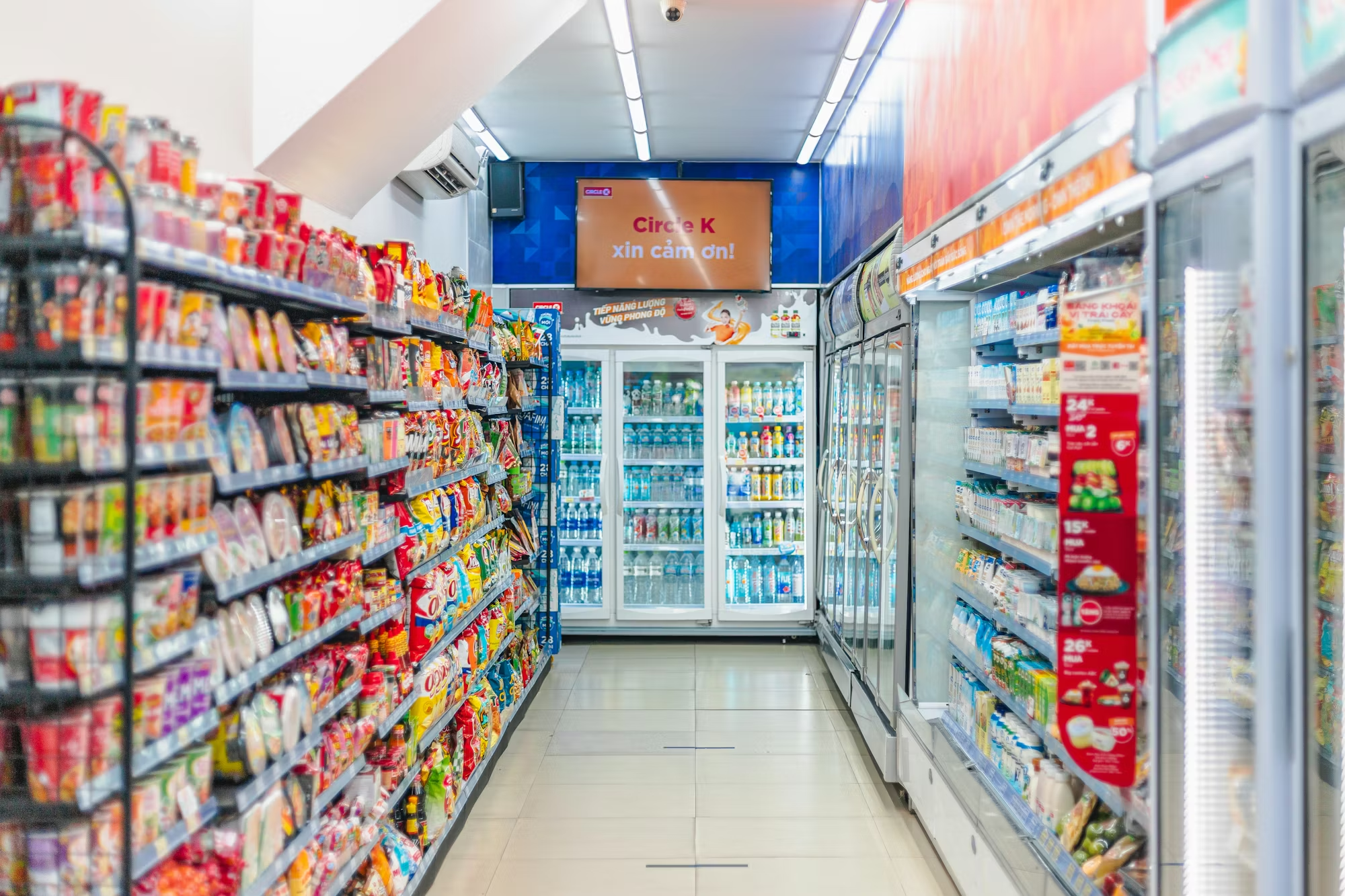
The retail landscape is in a state of transformation, driven by shifts in consumer behavior and preferences that have emerged in the wake of the global pandemic. As society gradually returns to a semblance of normalcy, retailers are adapting to meet the changing demands of consumers who have developed new habits and expectations. This article explores the key trends shaping the retail experience in this post-pandemic world, emphasizing the importance of innovation, convenience, and connection. One of the most significant shifts has been the acceleration of e-commerce. Even before the pandemic, online shopping was on the rise, but the necessity of social distancing brought a seismic change in how consumers approached their purchases. Many shoppers who previously favored brick-and-mortar stores embraced e-commerce out of necessity, leading to a surge in online sales across various sectors. Retailers quickly adapted by enhancing their digital presence, optimizing websites for a smoother user experience, and offering more diverse product selections online. This trend is likely to continue, as many consumers have grown accustomed to the convenience of shopping from home. With the increasing demand for online shopping, the need for effective delivery solutions has also become paramount. Retailers are investing in logistics and supply chain innovations to ensure timely deliveries, recognizing that consumers expect quick and reliable shipping options. Same-day delivery, curbside pickup, and easy return processes have become vital components of the retail strategy. Retailers are also exploring partnerships with delivery services to enhance their offerings, ensuring that they can meet consumer demands while minimizing operational challenges. Another trend gaining momentum is the emphasis on omnichannel retailing. Consumers now expect a seamless shopping experience that allows them to move effortlessly between online and offline channels. Retailers are integrating their e-commerce platforms with physical stores, enabling services like buy online, pick up in-store (BOPIS) and real-time inventory visibility. This connectivity enhances convenience and caters to the diverse preferences of consumers who may wish to shop in different ways depending on their circumstances. Personalization has also taken center stage in retail strategies. As consumers navigate a vast sea of online options, personalized shopping experiences help brands stand out. Retailers are leveraging data analytics to gather insights into consumer behavior, enabling them to offer tailored product recommendations and targeted marketing campaigns. This level of customization fosters a sense of connection and loyalty, as consumers feel that brands understand their preferences and cater to their unique needs. The pandemic has also heightened consumer awareness of health and safety, leading to an increased demand for transparency and ethical practices. Shoppers are now more conscientious about where their products come from, how they are made, and the values of the brands they support. Retailers are responding by being more transparent about their sourcing practices, emphasizing sustainability, and promoting ethical labor practices. Brands that prioritize these values can build trust and loyalty among consumers who are eager to support responsible businesses. In addition to transparency, the focus on sustainability is reshaping the retail landscape. As environmental concerns grow, consumers are increasingly seeking eco-friendly products and brands that adopt sustainable practices. Retailers are responding by implementing sustainable sourcing methods, reducing waste, and promoting products made from recycled materials. This shift not only attracts environmentally conscious consumers but also aligns with broader societal goals of reducing carbon footprints and promoting responsible consumption. The rise of experiential retail is another trend that has gained traction in the post-pandemic world. Consumers are looking for more than just products; they want memorable experiences that foster emotional connections with brands. Retailers are creating immersive environments that encourage exploration and engagement, whether through interactive displays, workshops, or events. For instance, a local boutique might host a crafting session where customers can personalize their purchases, transforming shopping into an engaging activity. The role of technology in retail continues to evolve, with innovations such as augmented reality (AR) and virtual reality (VR) enhancing the shopping experience. These technologies allow consumers to visualize products in real-time, try on clothing virtually, or explore immersive store environments from the comfort of their homes. By integrating AR and VR into their strategies, retailers can create unique experiences that captivate consumers and differentiate their brands in a crowded market. Social media has also solidified its role as a vital component of retail marketing. Platforms like Instagram and TikTok have become powerful tools for product discovery and brand engagement. Retailers are leveraging influencer partnerships and user-generated content to create authentic connections with consumers, showcasing their products in relatable and engaging ways. Social commerce, where consumers can shop directly through social media platforms, is also gaining traction, allowing for seamless purchasing experiences integrated into social interactions. As we navigate this new retail landscape, the importance of building community cannot be overstated. Consumers are increasingly seeking connections not only with brands but also with other shoppers. Retailers are responding by creating online communities, forums, and social media groups where consumers can engage, share experiences, and offer feedback. By fostering a sense of belonging, retailers can enhance customer loyalty and create brand advocates who promote their products organically. Finally, the evolving retail landscape necessitates a commitment to continuous innovation. Retailers must remain agile, willing to adapt their strategies to meet changing consumer preferences and market dynamics. Those who prioritize flexibility and embrace new technologies will be better equipped to thrive in this rapidly shifting environment. In conclusion, the post-pandemic retail landscape is marked by transformative trends that reflect changing consumer behaviors and preferences. The rise of e-commerce, the importance of omnichannel strategies, personalized experiences, and sustainability are all shaping the future of retail. As businesses adapt to these changes, they must prioritize connection, innovation, and a commitment to understanding their consumers. By doing so, retailers can create meaningful experiences that resonate with shoppers in this new normal.

Navigating the Future of Retail: Trends and Innovations
The retail industry is undergoing a significant transformation, driven by technological advancements, changing consumer behaviors, and a heightened focus on sustainability. As we navigate this new landscape, it’s essential to understand the key trends and innovations that are shaping the future of retail. This article will explore how retailers are adapting to meet the demands of modern consumers while embracing new technologies and sustainable practices.
One of the most notable trends in retail is the rise of e-commerce. Online shopping has seen exponential growth, particularly in the wake of recent shifts in consumer behavior. More shoppers are turning to digital platforms for their purchases, leading retailers to invest heavily in their online presence. Brands are enhancing their websites and mobile apps to provide seamless shopping experiences, incorporating features like personalized recommendations and user-friendly interfaces.
In addition to improving digital experiences, retailers are leveraging data analytics to better understand consumer preferences. By analyzing shopping patterns, brands can tailor their offerings to meet the needs of specific customer segments. This data-driven approach not only enhances the shopping experience but also drives sales and customer loyalty. Retailers are increasingly using machine learning algorithms to predict trends and optimize inventory management, ensuring that popular items are always in stock.
Another significant trend is the integration of omnichannel retail strategies. Consumers now expect a cohesive shopping experience across various channels, including in-store, online, and mobile. Retailers are responding by creating unified shopping experiences that allow customers to transition seamlessly between platforms. For example, shoppers might research products online before purchasing them in-store, or they may choose to buy online and pick up their items at a physical location. This flexibility is crucial in meeting the diverse needs of today’s consumers.
Sustainability is also becoming a driving force in retail. As consumers become more environmentally conscious, they are increasingly seeking out brands that prioritize sustainable practices. Retailers are responding by adopting eco-friendly materials, reducing waste, and implementing sustainable sourcing strategies. For instance, clothing brands are exploring options for recycled fabrics and ethical manufacturing processes. In addition, many retailers are implementing take-back programs, allowing customers to return used items for recycling or refurbishment.
The concept of experiential retail is gaining traction as well. In a world where online shopping is so prevalent, retailers are looking for ways to create memorable in-store experiences that draw customers in. This can include interactive displays, personalized customer service, and events that engage shoppers. Brands like Nike and Apple have embraced this trend by designing flagship stores that serve as community hubs, where consumers can not only purchase products but also engage with the brand in a meaningful way.
Technology plays a crucial role in enhancing the retail experience. Innovations such as augmented reality (AR) and virtual reality (VR) are becoming increasingly common in stores. These technologies allow customers to visualize products in their own spaces or try on clothing virtually, creating a more engaging shopping experience. Retailers are also utilizing chatbots and artificial intelligence to provide instant customer support, answer questions, and guide shoppers through their purchasing journeys.
Social media is another powerful tool reshaping the retail landscape. Platforms like Instagram and TikTok have become vital for brands to connect with consumers, showcase products, and drive sales. Influencer marketing has exploded, with brands partnering with social media personalities to reach targeted audiences authentically. Additionally, social commerce is on the rise, allowing users to shop directly through social media posts, making the purchasing process more convenient and integrated into their online experiences.
As the retail landscape evolves, brick-and-mortar stores are adapting to remain relevant. Many retailers are rethinking their physical spaces to create inviting environments that encourage shopping and social interaction. This can involve redesigning layouts, incorporating technology, and providing comfortable areas for customers to relax and engage with the brand. The goal is to transform stores from mere transaction points into destinations that offer unique experiences.
The impact of the global pandemic has accelerated many of these trends, prompting retailers to adopt innovative solutions to navigate challenges. From contactless payment options to enhanced sanitation measures, businesses have had to pivot quickly to ensure customer safety while maintaining operations. This adaptability will be key to thriving in the post-pandemic retail environment.
In conclusion, the future of retail is being shaped by a combination of technological advancements, changing consumer expectations, and a commitment to sustainability. Retailers that embrace these trends and innovate their approaches will be better positioned to meet the demands of modern shoppers. As we move forward, the ability to create seamless, engaging, and sustainable shopping experiences will define the success of brands in an ever-evolving landscape. The retail industry is poised for exciting changes, and both consumers and retailers stand to benefit from these developments.
Retail Renaissance: Embracing Change in a Digital Age
The retail sector is experiencing a remarkable renaissance as it adapts to the digital age. This transformation is driven by rapid technological advancements, shifting consumer expectations, and an increasingly competitive landscape. To thrive in this evolving environment, retailers must embrace innovation while remaining connected to their customers. This article delves into the key trends and strategies that are shaping the future of retail, providing insights into how businesses can navigate this dynamic landscape.
At the forefront of this transformation is the rise of e-commerce, which has fundamentally altered the way consumers shop. Online shopping offers unparalleled convenience, allowing consumers to browse and purchase products from anywhere at any time. This shift has prompted traditional brick-and-mortar retailers to enhance their online presence, creating a cohesive omnichannel experience that integrates both digital and physical shopping. By offering a seamless transition between online and in-store experiences, retailers can cater to diverse consumer preferences and enhance customer satisfaction.
Mobile commerce, in particular, has become a game changer within the e-commerce landscape. With smartphones becoming ubiquitous, consumers are increasingly using their devices to shop. Retailers are prioritizing mobile optimization, ensuring that their websites and applications are user-friendly and accessible. Features such as mobile wallets, app-exclusive discounts, and location-based offers are enhancing the shopping experience, making it easier for consumers to make purchases on the go. As mobile commerce continues to grow, businesses must leverage technology to meet the demands of an increasingly mobile-centric audience.
In addition to e-commerce and mobile shopping, personalization has emerged as a key driver of customer loyalty. Today’s consumers expect tailored experiences that cater to their individual preferences. Retailers are leveraging data analytics and artificial intelligence (AI) to gain insights into customer behavior, enabling them to offer personalized product recommendations, targeted promotions, and customized marketing messages. This level of personalization fosters deeper connections between brands and consumers, ultimately driving customer retention and brand loyalty.
Sustainability has also become a vital consideration for retailers as consumers increasingly prioritize ethical and environmentally friendly practices. Today’s shoppers are more conscious of their purchasing decisions, seeking out brands that demonstrate a commitment to sustainability. Retailers are responding by implementing eco-friendly initiatives, such as reducing packaging waste, sourcing materials responsibly, and adopting transparent supply chain practices. By clearly communicating their sustainability efforts, brands can resonate with consumers who value responsible consumption, fostering a sense of trust and loyalty.
Experiential retail is another trend gaining traction as retailers seek to create memorable shopping experiences. In a world dominated by online shopping, physical stores are redefining their purpose by offering interactive and immersive experiences that engage customers on a deeper level. Retailers are hosting events, workshops, and product demonstrations that allow consumers to connect with the brand and its products in a meaningful way. This experiential approach not only enhances customer satisfaction but also encourages social sharing, as shoppers are more likely to share unique experiences on social media platforms.
The integration of technology within retail spaces is also revolutionizing the shopping experience. Augmented reality (AR) and virtual reality (VR) technologies are being utilized to create engaging interactions for consumers. For example, AR applications allow customers to visualize how furniture will look in their homes or try on clothing virtually. By offering these innovative experiences, retailers can enhance customer confidence and reduce the likelihood of returns, ultimately driving sales.
Social commerce is rapidly becoming a prominent feature in the retail landscape as brands harness the power of social media to drive sales. Platforms such as Instagram and TikTok have introduced shopping features that allow users to discover and purchase products directly through their feeds. By leveraging influencer partnerships and user-generated content, brands can create authentic connections with their audience, fostering brand loyalty and encouraging repeat purchases. This integration of social media and e-commerce presents a unique opportunity for retailers to engage with consumers in a familiar and interactive environment.
The popularity of subscription services is also on the rise, as consumers appreciate the convenience of curated products delivered to their doorsteps. This model has gained traction in various sectors, including beauty, food, and fashion, allowing consumers to discover new products tailored to their preferences. Subscription services not only provide convenience but also create a sense of excitement as consumers look forward to their regular deliveries. By incorporating subscription options, retailers can cultivate customer loyalty and generate predictable revenue streams, while enhancing the overall shopping experience.
As the retail landscape continues to evolve, the importance of data-driven decision-making cannot be overstated. Retailers are increasingly utilizing data analytics to understand customer preferences, track purchasing behavior, and optimize inventory management. By leveraging data insights, businesses can make informed decisions that drive sales and enhance customer satisfaction. This analytical approach allows retailers to stay ahead of market trends and adapt to changing consumer demands.
Looking ahead, the future of retail will likely be characterized by a blend of digital innovation and personal connection. Retailers that effectively leverage technology to create seamless and personalized shopping experiences will thrive in this competitive environment. As consumer expectations continue to evolve, businesses must remain agile and open to change, embracing new technologies and trends that enhance the retail experience.
In conclusion, the renaissance of the retail industry is a dynamic and multifaceted process. E-commerce, mobile shopping, personalization, sustainability, experiential retail, and social commerce are key trends that are shaping the future of shopping. By adapting to these changes and embracing innovation, retailers can enhance customer experiences, build loyalty, and position themselves for success in an ever-changing landscape. The ability to connect with consumers on a personal level while leveraging technology will be the ultimate key to thriving in the future of retail.
Exploring the Charm of Farmers’ Markets: A Taste of Local Life
Farmers’ markets are vibrant hubs of local culture, bringing together farmers, artisans, and consumers in a celebration of fresh, seasonal produce and handmade goods. These markets, often held in community spaces like parks or town squares, provide a unique opportunity for individuals to connect with the sources of their food while fostering a sense of community. The experience of visiting a farmers’ market goes beyond mere shopping; it offers a glimpse into the lives and stories of local producers, creating a rich tapestry of connections and experiences.
At the heart of every farmers’ market is the wide array of fresh produce. Local farmers showcase their fruits, vegetables, herbs, and flowers, often grown without synthetic pesticides or fertilizers. The colorful displays of seasonal bounty not only entice the eye but also encourage healthier eating habits. Consumers are invited to explore unfamiliar varieties of produce, discovering new flavors and textures that can enhance their culinary adventures. This direct access to fresh ingredients empowers shoppers to make informed choices about their diets, promoting a lifestyle centered around health and sustainability.
Beyond fruits and vegetables, farmers’ markets often feature a diverse range of products, including artisanal cheeses, freshly baked bread, organic meats, and handcrafted jams. These offerings reflect the creativity and craftsmanship of local producers, providing consumers with unique items that are often unavailable in traditional grocery stores. By purchasing these goods, shoppers support small businesses and contribute to the local economy, reinforcing the importance of community over mass production.
The social aspect of farmers’ markets cannot be understated. These markets serve as gathering places where community members can meet, socialize, and share experiences. Families stroll through the aisles, friends gather for a morning coffee, and neighbors catch up on the latest news. This vibrant atmosphere fosters connections that strengthen community bonds and create a sense of belonging. Events such as cooking demonstrations, live music, and seasonal festivals further enhance this communal spirit, making farmers’ markets not just a place to shop, but a space for social interaction and cultural exchange.
Farmers’ markets also play a crucial role in promoting sustainable practices. Many local producers prioritize environmentally friendly methods, focusing on organic farming, regenerative agriculture, and ethical animal husbandry. By choosing to buy from these vendors, consumers actively support sustainable agriculture, reducing their carbon footprint and contributing to a healthier planet. This awareness of sustainability extends beyond the market, encouraging individuals to think critically about their food choices and the environmental impact of their consumption habits.
The relationship between consumers and producers is another hallmark of farmers’ markets. Shoppers have the unique opportunity to meet the people behind the products they purchase, often engaging in conversations about farming practices, recipes, and local traditions. This personal connection fosters trust and transparency in the food system, allowing consumers to feel confident about the quality and sourcing of their food. The stories shared by farmers not only enrich the shopping experience but also build a deeper appreciation for the labor and dedication that goes into producing quality food.
In addition to promoting local produce and sustainable practices, farmers’ markets often embrace inclusivity. Many markets offer programs that provide access to fresh food for low-income families, ensuring that everyone can benefit from the bounty of local agriculture. This commitment to accessibility reinforces the idea that fresh, healthy food should be available to all, regardless of economic status. By fostering inclusivity, farmers’ markets help create a stronger, more equitable community.
The charm of farmers’ markets extends to their aesthetics as well. The vibrant colors of fresh produce, the scents of baked goods and herbs, and the lively chatter of vendors and shoppers create an inviting atmosphere that is both calming and energizing. This sensory experience encourages people to slow down and appreciate the simple pleasures of life, fostering mindfulness in a fast-paced world. The appeal of farmers’ markets lies not only in the products offered but also in the ambiance they create—a celebration of life, community, and nature.
As technology continues to evolve, some farmers’ markets are incorporating digital tools to enhance the shopping experience. Online platforms allow consumers to pre-order products, ensuring they can secure their favorite items before they sell out. Social media plays a vital role in promoting farmers’ markets, providing a platform for vendors to share their stories and engage with their customers. However, despite these advancements, the heart of the farmers’ market experience remains rooted in the personal connections and sensory delights that only an in-person visit can provide.
In conclusion, farmers’ markets are vibrant reflections of local culture, community, and sustainability. They offer a unique opportunity for individuals to connect with the sources of their food, support local producers, and engage with their neighbors. By celebrating fresh, seasonal produce and fostering meaningful connections, farmers’ markets contribute to the health and vitality of communities. As we continue to embrace and support these markets, we not only nourish our bodies but also cultivate a deeper appreciation for the rich tapestry of life that surrounds us.